Explore the Comprehensive Map of Nigeria's Pipeline Network
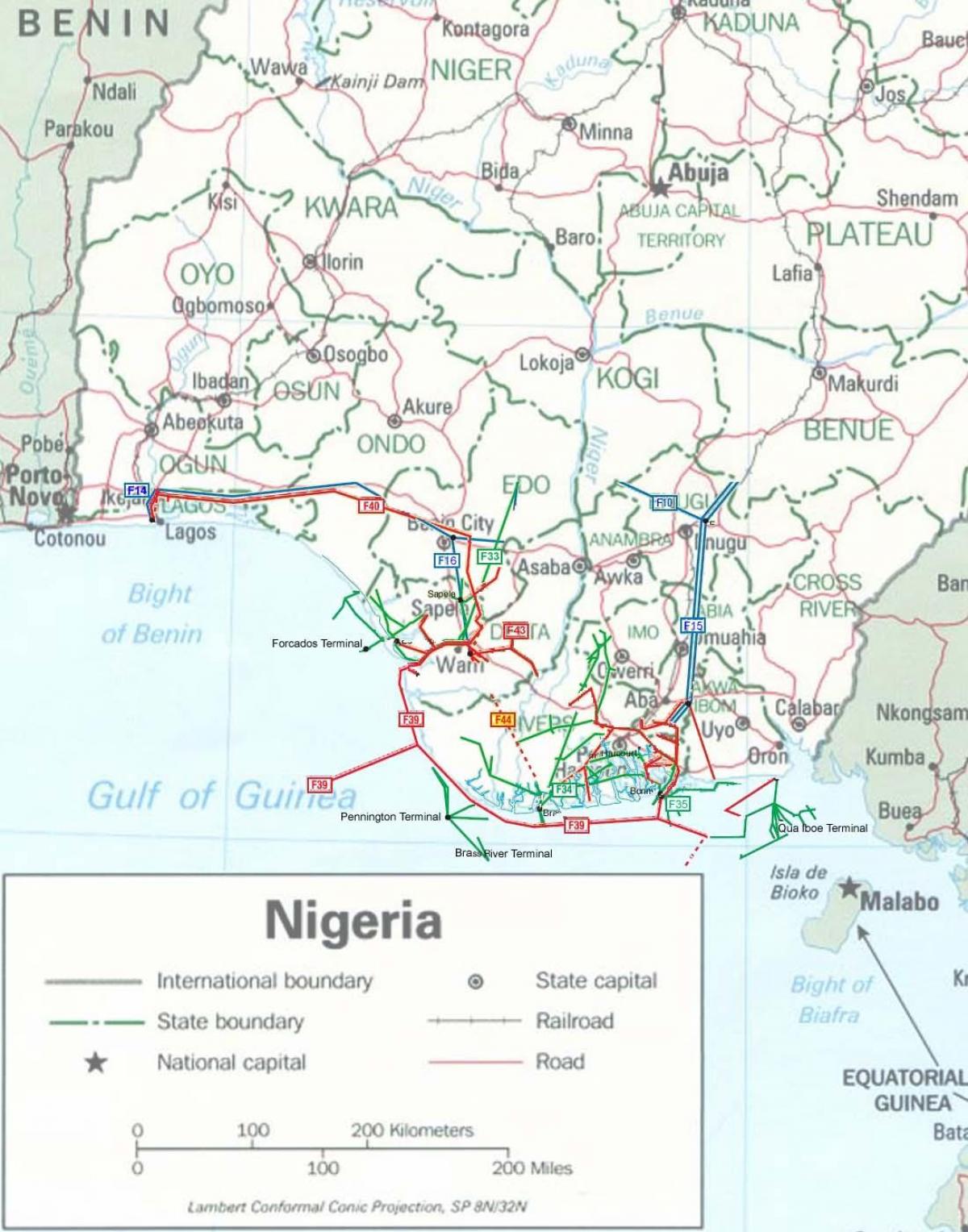
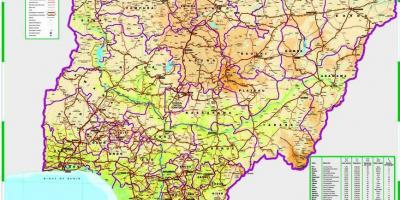
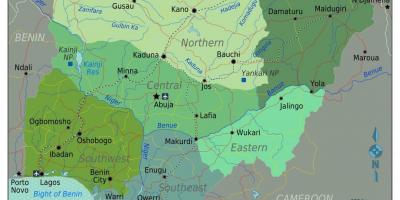
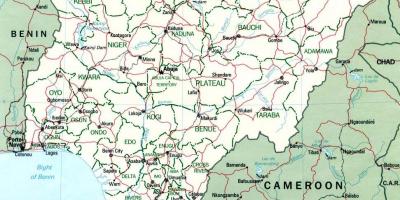
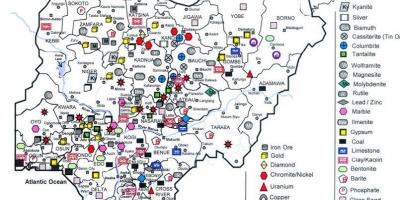
The map of Nigeria's pipeline network serves as a crucial tool for understanding the country's extensive oil and gas infrastructure. Nigeria is one of the largest oil producers in Africa, and its pipelines are vital for transporting crude oil and natural gas from production sites to refineries and export terminals. This intricate web of pipelines not only illustrates the routes taken by these resources but also highlights the regional distribution of oil fields and processing facilities throughout the country. Understanding this map is essential for stakeholders in the energy sector, as well as policymakers and researchers interested in Nigeria's economic landscape.
Historically, Nigeria's pipeline network has evolved significantly since the discovery of oil in Oloibiri in 1956. Initially, the focus was on establishing a basic infrastructure to facilitate oil extraction and export. Over the decades, as production increased and the demand for oil grew, the network expanded, incorporating advanced technology and safety measures. The Nigerian National Petroleum Corporation (NNPC) oversees much of this infrastructure, ensuring that it meets international standards while also addressing environmental concerns associated with oil spills and leaks. The historical context of these developments helps to underscore the importance of the pipeline map in understanding Nigeria's current energy framework.
Geographically, Nigeria's pipeline network is strategically important, spanning various terrains, from coastal regions to inland areas. The Niger Delta, home to the majority of Nigeria’s oil production, features a complex system of pipelines that navigate through swamps and waterways. This geographic complexity presents unique challenges, such as maintaining the integrity of the pipelines and preventing vandalism, which is a significant issue in the region. The map of Nigeria's pipelines not only shows the physical routes but also indicates areas that are prone to disruptions, thereby serving as a critical resource for logistics and emergency planning.
The practical uses of the pipeline map extend beyond just transportation logistics. For investors and analysts, it provides insights into potential investment opportunities and risks associated with oil and gas exploration and production. Furthermore, environmentalists and local communities can utilize the map to advocate for sustainable practices and monitor the impact of oil activities on their surroundings. By visualizing the pipeline infrastructure, various stakeholders can engage in informed discussions and decision-making processes regarding energy policies and environmental regulations in Nigeria.
In conclusion, the map of Nigeria's pipeline network is more than just a representation of infrastructure; it encapsulates the historical, geographical, and economic dynamics of the country’s oil and gas sector. As Nigeria continues to play a pivotal role in the global energy market, this map remains an essential tool for understanding the intricate relationships between geography, economy, and energy production. Exploring this map opens up avenues for deeper insights into Nigeria's vast resources and their implications for the future.
Understanding Nigeria's pipeline network map is essential for anyone interested in the country's energy sector. It offers a comprehensive view of how Nigeria's resources are managed and transported, encouraging further exploration of the rich geography and economy of Nigeria.
-
Nigeria is the largest oil producer in Africa, responsible for about 2.1 million barrels per day as of 2023.
-
The country has over 5,000 kilometers of pipelines, connecting various oil fields to refineries and export terminals.
-
The Niger Delta region contains the majority of Nigeria's oil reserves, but it is also one of the most environmentally sensitive areas due to oil spills.
-
Nigeria's first oil pipeline was constructed in the 1970s, significantly enhancing the country's export capabilities.
-
The Trans-Niger Pipeline, one of the key pipelines, transports crude oil from the oil fields in the Niger Delta to the Bonny terminal.
-
Vandalism and theft remain significant challenges for Nigeria's pipeline operations, leading to considerable financial losses.
-
The Nigerian government has implemented various policies to improve security and maintenance of pipeline infrastructure.
-
Environmental monitoring of pipelines is crucial; leaks can have devastating effects on local ecosystems and communities.
-
The pipeline network includes both onshore and offshore routes, showcasing Nigeria's diverse geographical landscape.
-
Collaborations with international oil companies have helped to modernize Nigeria's pipeline technology, improving safety and efficiency.