Exploring the Soil Map of Nigeria: A Key to Agricultural Success
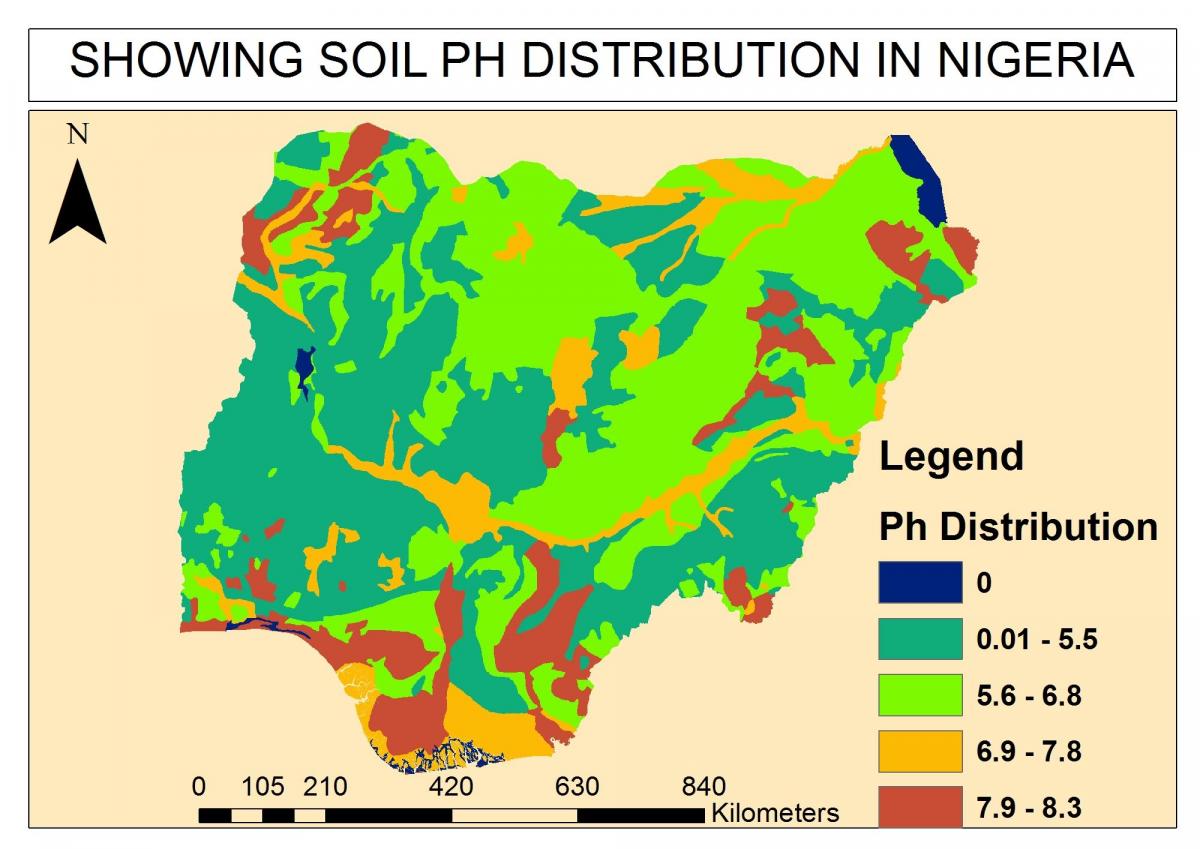
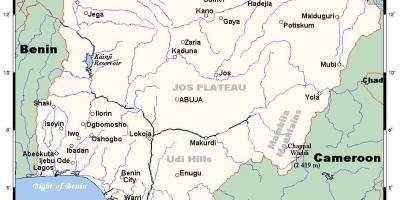
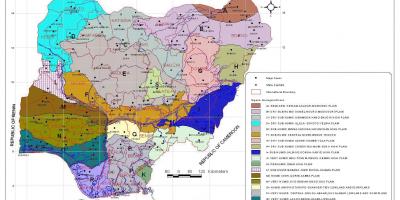
The soil map of Nigeria is a vital tool that provides detailed information about the various soil types found across the country. This map showcases the distribution of different soils, including their properties and characteristics, which are crucial for agricultural planning and land management. Understanding the soil composition helps farmers make informed decisions about crop selection and cultivation practices, ultimately enhancing productivity and sustainability in Nigeria's diverse agricultural landscape.
Historically, Nigeria's soil has been shaped by its climatic zones and geological formations, which have led to the development of distinct soil types. From the rich, fertile alluvial soils found in the Niger and Benue River valleys to the sandy, less fertile soils of the northeastern regions, each area presents unique challenges and opportunities for agriculture. The soil map serves as a historical reference, illustrating how land use has evolved over time and how different regions have adapted to their environmental conditions.
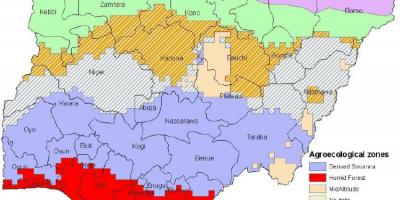
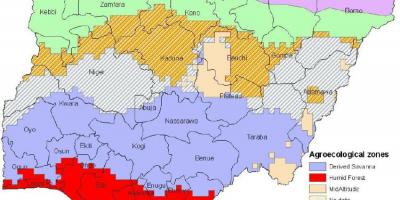
Geographically, the soil map of Nigeria reveals significant insights into the country's ecological zones. Nigeria's diverse geography ranges from tropical rainforests in the southern regions to savanna grasslands in the north. Each of these zones supports different types of vegetation and wildlife, which in turn influences local agricultural practices. By analyzing the soil map, researchers and policymakers can identify areas prone to erosion, desertification, or other environmental challenges, allowing for better land use planning and conservation efforts.
In practical terms, the soil map of Nigeria is indispensable for various stakeholders, including farmers, agronomists, and environmentalists. For farmers, knowing the soil type helps in selecting the right crops and applying suitable fertilizers that enhance soil fertility. Agronomists utilize the map to conduct research on soil health and fertility management, while environmentalists refer to it when assessing the impact of agricultural practices on ecosystems. Additionally, the map is essential for government agencies in formulating policies aimed at sustainable agricultural development and land use.
The significance of the soil map extends beyond agriculture; it also plays a crucial role in addressing climate change challenges. As Nigeria faces increasing climate variability, understanding soil types and their responses to changing climate conditions is vital for developing resilient agricultural practices. The soil map enables stakeholders to formulate strategies that mitigate the impacts of climate change, ensuring food security and environmental sustainability for future generations.
In conclusion, the soil map of Nigeria is more than just a geographical tool; it is a foundational resource that supports agricultural excellence and environmental stewardship. By providing insights into soil characteristics and distribution, it empowers farmers, researchers, and policymakers to make informed decisions that enhance productivity and sustainability throughout the nation.
The soil map of Nigeria is an essential resource for understanding the agricultural potential and environmental challenges of the country. By exploring this map, you can gain valuable insights into the diverse landscapes of Nigeria, enhancing your knowledge of its geography and ecology.
-
Nigeria has over 30 different soil types, each supporting various agricultural practices and ecosystems.
-
The northern part of Nigeria primarily consists of sandy soils, which are less fertile than the clay-rich soils found in the south.
-
Alluvial soils along the Niger and Benue Rivers are some of the most fertile in Nigeria, making them ideal for growing crops like rice and maize.
-
The soil in Nigeria is classified into five major categories: Entisols, Inceptisols, Vertisols, Alfisols, and Ultisols, each with distinct properties.
-
Nigeria's soil faces challenges such as erosion, salinization, and desertification, particularly in the northern regions due to climate change.
-
Soil fertility management is critical in Nigeria, as many farmers rely on traditional methods that may not be sustainable in the long run.
-
The use of organic fertilizers is gaining popularity among Nigerian farmers, as they aim to improve soil health and crop yields.
-
The Nigerian government emphasizes the importance of soil conservation practices to combat land degradation and ensure food security.
-
Soil mapping in Nigeria has improved significantly with the advent of technology, including remote sensing and GIS, aiding in more accurate assessments.
-
The agricultural sector in Nigeria contributes about 24% to the country's GDP, showcasing the importance of understanding and optimizing soil resources for economic development.