Exploring Nigeria's Ethnic Diversity: A Comprehensive Guide
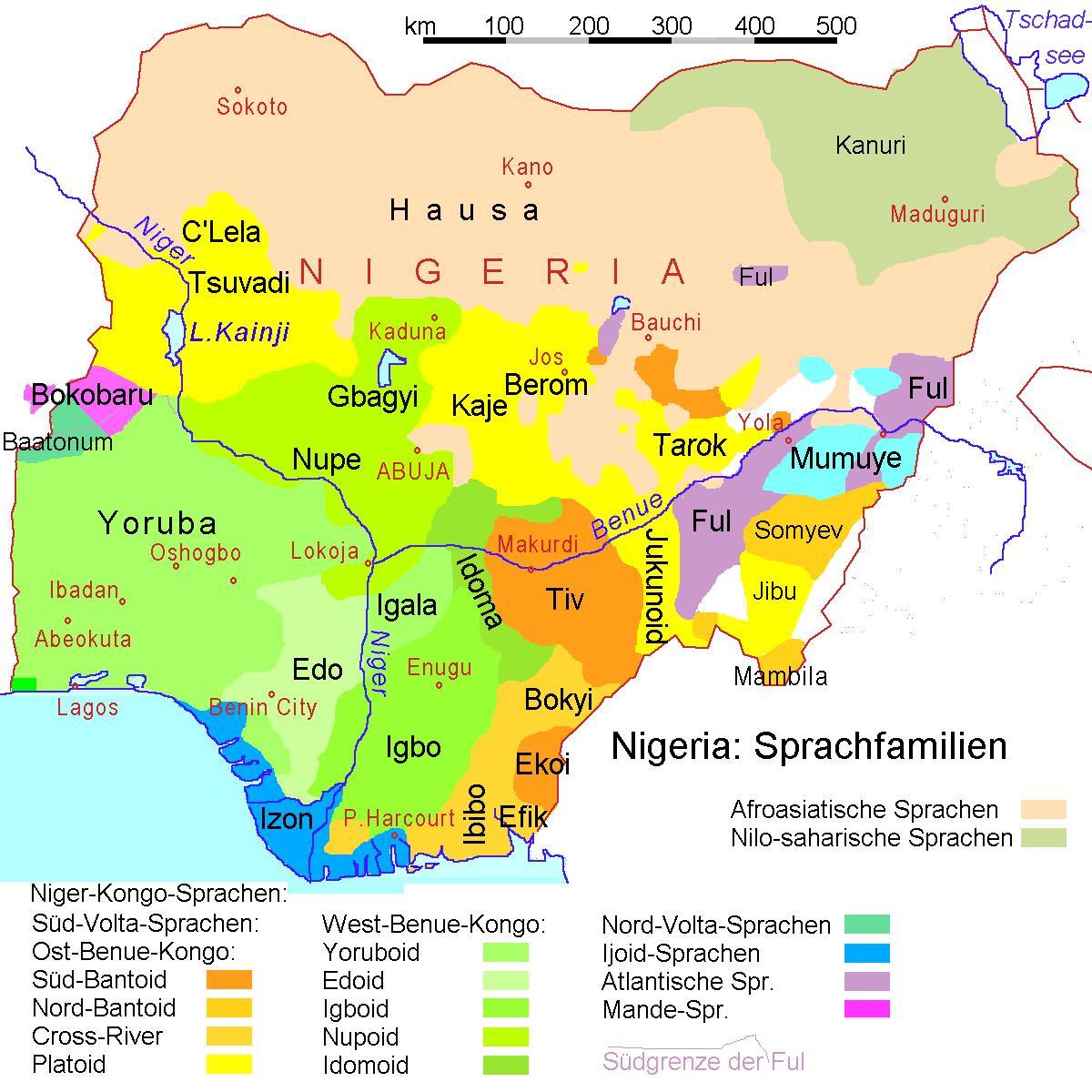
Nigeria is a nation renowned for its rich ethnic diversity, with over 250 distinct ethnic groups. This incredible mosaic of cultures plays a pivotal role in shaping the social and political landscape of the country. The most prominent ethnic groups include the Hausa, Yoruba, and Igbo, each with unique traditions, languages, and histories. Understanding the ethnic composition of Nigeria is crucial for anyone looking to grasp the complexities of its society and the dynamics of its governance.
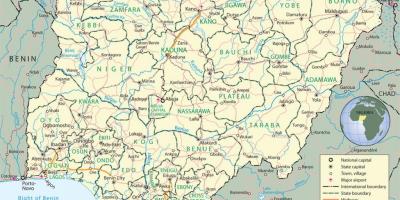
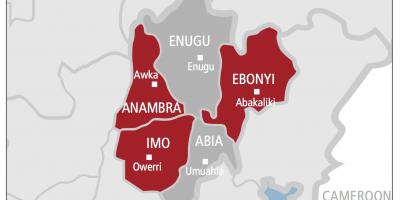
The ethnic map of Nigeria visually represents these groups and their geographical distribution across the nation. The northern region is predominantly home to the Hausa and Fulani, while the southwestern area is largely inhabited by the Yoruba. In the southeastern part of Nigeria, the Igbo people are the majority. This distribution is not just a matter of demographics; it reflects historical migrations, trade routes, and colonial legacies that have shaped the nation. The ethnic divisions are significant in political representation and resource allocation, influencing how power is wielded in Nigeria.
Historically, Nigeria's ethnic groups were organized into kingdoms and empires that flourished long before colonial rule. The Hausa city-states, the Oyo Empire of the Yoruba, and the Kingdom of Nri among the Igbo are just a few examples of the rich historical tapestry that predates modern Nigeria. The colonial era brought about significant changes, as British imperial administration often drew arbitrary boundaries that grouped together diverse ethnic communities, leading to long-term implications for national unity and identity.
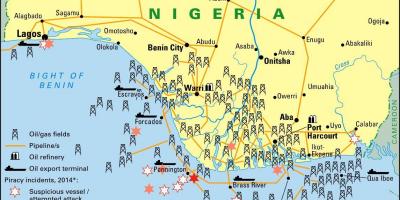
Geographically, Nigeria's diversity is reflected not only in its ethnic groups but also in its landscapes, ranging from the arid Sahel in the north to the lush rainforests in the south. Each ethnic group is closely tied to its environment, which influences their livelihoods, cultural practices, and social structures. For instance, the predominantly agrarian lifestyles of the Yoruba and Igbo people have fostered rich agricultural traditions, while the nomadic Fulani have developed unique pastoral practices. This geographical significance extends to issues of resource control, land use, and environmental management, which are often sources of tension among ethnic groups.
Practically, understanding Nigeria's ethnic diversity is essential for effective governance, conflict resolution, and development initiatives. Policymakers and development agencies must consider the unique needs and perspectives of various ethnic groups in order to foster inclusivity and national cohesion. Additionally, businesses operating in Nigeria can benefit from insights into cultural practices and consumer behavior that are influenced by ethnic affiliations. By appreciating the complexities of Nigeria's ethnic landscape, stakeholders can better navigate the social fabric of the nation and contribute to its growth and stability.
The ethnic diversity of Nigeria is a remarkable aspect of its identity, offering rich insights into its history and culture. Exploring this diversity helps us understand the complexities of Nigerian society and encourages further exploration of its geography.
-
Nigeria is home to over 250 ethnic groups, making it one of the most culturally diverse countries in the world.
-
The Hausa and Fulani are primarily located in the northern part of Nigeria, with the Hausa being one of the largest ethnic groups.
-
Yoruba is predominantly found in the southwestern region, with a rich cultural heritage that includes music, fashion, and festivals.
-
Igbo people, mainly from the southeastern region, are known for their entrepreneurial spirit and contributions to Nigeria's economy.
-
The three major ethnic groups, Hausa, Yoruba, and Igbo, collectively account for about 60% of Nigeria's population.
-
Each ethnic group in Nigeria has its own language, with over 500 indigenous languages spoken across the nation.
-
The Nigerian Civil War (1967-1970) was largely influenced by ethnic tensions, particularly between the Igbo and other groups.
-
Ethnic diversity in Nigeria has led to a vibrant arts scene, including traditional dance, music, and visual arts that reflect various cultural expressions.
-
The concept of 'federal character' in Nigeria's constitution aims to promote inclusivity among the country's diverse ethnic groups in governance.
-
Nigerian cuisine is a reflection of its ethnic diversity, with each region offering distinct dishes that showcase local ingredients and traditions.