Explore the Detailed Map of Nigeria: Your Guide to Geography
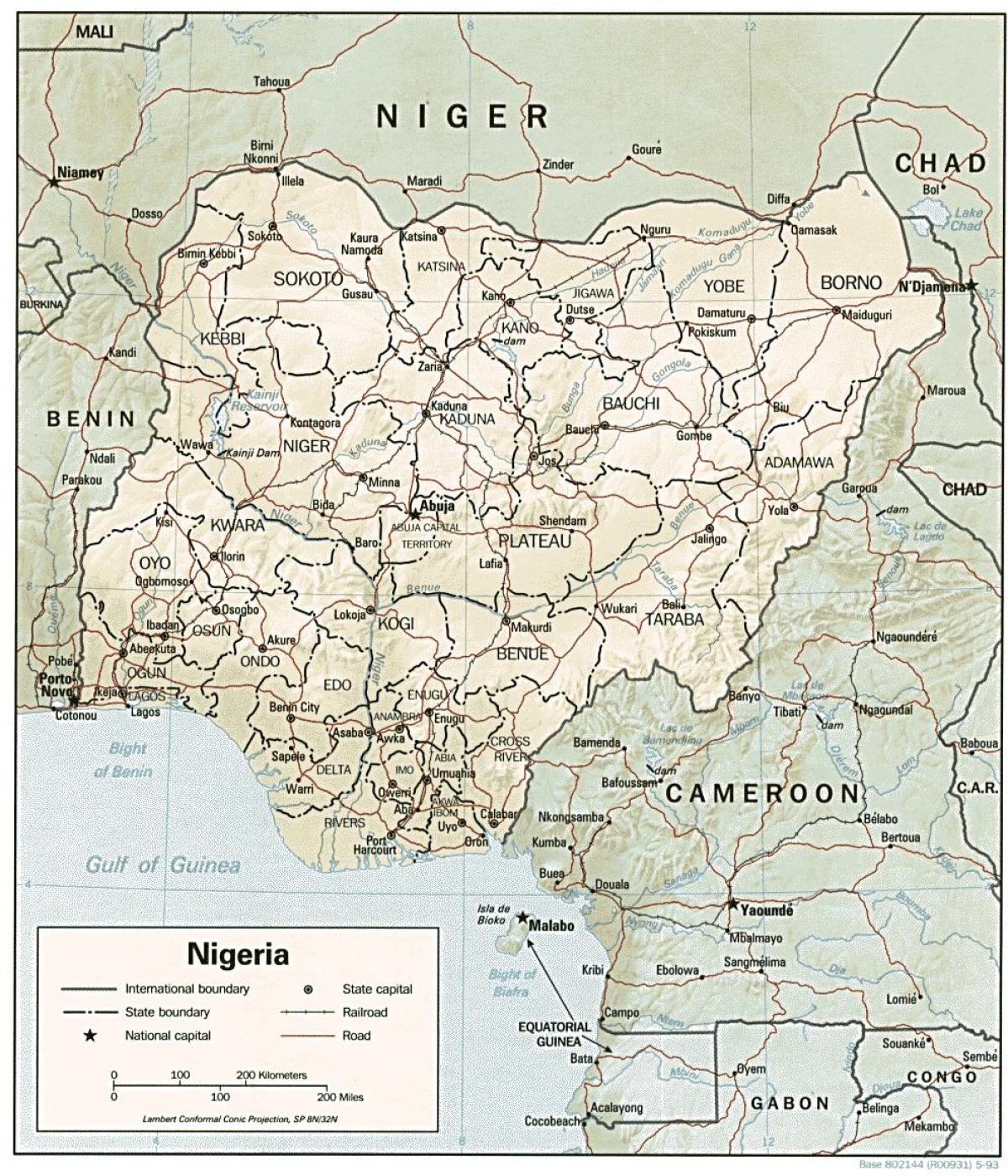
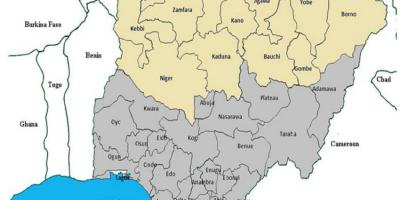
The Map of Nigeria is a crucial tool for understanding the diverse geography, culture, and history of this vibrant West African nation. It showcases various geographical features, including mountains, rivers, and plains. This map serves multiple purposes, making it invaluable for students, travelers, and researchers alike. By analyzing the Map of Nigeria, one can gain insights into the country's rich topography and its implications for settlement patterns, agriculture, and transportation.
Historically, maps have played a significant role in shaping nations and understanding territorial disputes. The Map of Nigeria highlights the country's 36 states and the Federal Capital Territory, Abuja. Each state has its unique attributes and resources that contribute to Nigeria's economy and cultural diversity. For instance, Lagos, the most populous city, is depicted prominently on the map, showcasing its urban landscape and significance as a commercial hub. Understanding these dynamics through the map allows for a deeper appreciation of how geography influences social and economic structures in Nigeria.
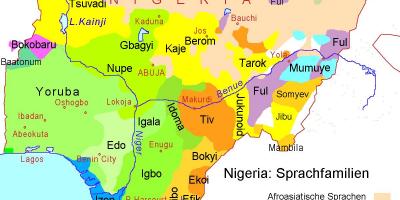
Geographically, Nigeria is characterized by its varied landscape, which includes the coastal plains in the south, the central plateaus, and the northern savannahs. The Niger and Benue Rivers, which converge in Lokoja, are also illustrated on the map, emphasizing their importance as waterways for trade and transportation. These rivers have historically served as vital lifelines for communities, supporting agriculture and enabling trade routes. The map is not just a representation of land; it reflects the interconnectedness of people and resources across the nation.
Additionally, the Map of Nigeria serves practical uses for various stakeholders. For tourists, the map provides essential information about key attractions, national parks, and historical sites. For researchers and academics, it offers a foundation for studies in geography, sociology, and economics. With the rise of digital mapping technologies, interactive maps of Nigeria can also provide real-time data and insights, enhancing the experience for users exploring the country's vast landscapes.
In conclusion, the Map of Nigeria is more than just a visual representation of the country. It encapsulates the rich history, cultural diversity, and geographical significance of Nigeria. Whether you are a student, a traveler, or a researcher, understanding this map can enhance your knowledge and appreciation of Nigeria's complex landscape. By exploring the intricacies of the Map of Nigeria, one can discover the stories and connections that define this remarkable country.
The Map of Nigeria is an essential resource for anyone interested in exploring the nation's geography and culture. Take the time to study this map and uncover the fascinating details of Nigeria's diverse regions and history.
-
Nigeria is the most populous country in Africa, with over 200 million inhabitants, which is reflected in its dense urban areas shown on the map.
-
The Niger River, the longest river in Nigeria, stretches over 4,180 kilometers, serving as a major transportation route depicted prominently on the map.
-
Nigeria is home to over 250 ethnic groups, each contributing to the cultural landscape that can be explored through the map's state divisions.
-
The Federal Capital Territory, Abuja, was specifically created in 1976 to promote national unity and is located almost at the geographical center of Nigeria.
-
The Jos Plateau, shown on the map, has a unique climate that supports agriculture and mining, making it an important economic area in Nigeria.
-
Nigeria's coastline along the Atlantic Ocean spans over 800 kilometers, featuring notable cities like Lagos and Port Harcourt that are marked on the map.
-
The states of Nigeria vary significantly in size; for example, Niger State is the largest, while Lagos is the smallest by land area, highlighting the diversity found in the map.
-
Kano, one of Nigeria's oldest cities, is depicted on the map and known for its historical significance and role in trade routes across West Africa.
-
Nigeria's geography includes three main climatic zones: tropical in the south, arid in the north, and temperate in the central region, each affecting settlement patterns as shown on the map.
-
The map illustrates Nigeria's rich mineral resources, including oil, which is primarily located in the Niger Delta region, making it a critical area for the nation's economy.