Explore the Intricacies of the Lagos Nigeria Map in Africa
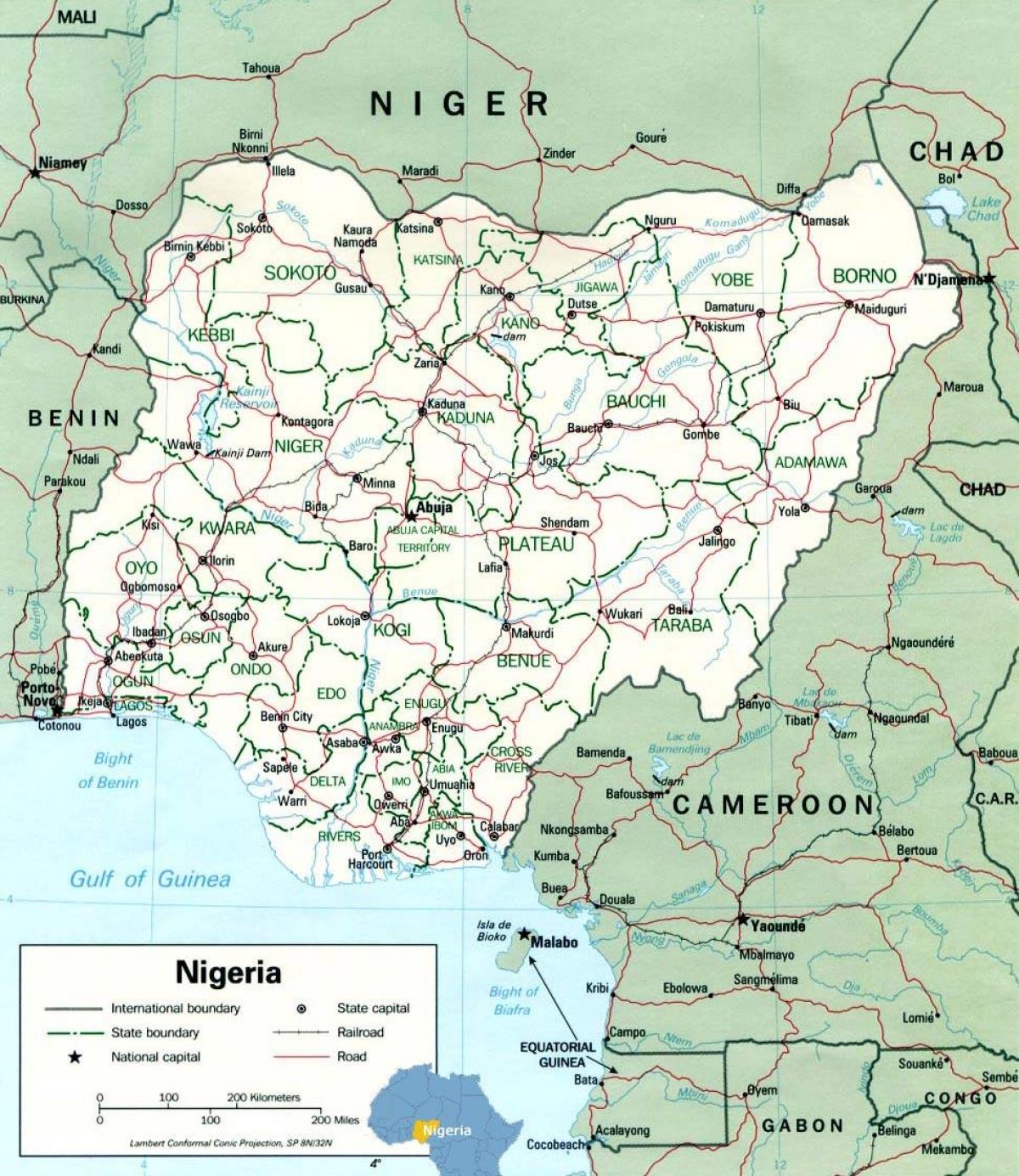
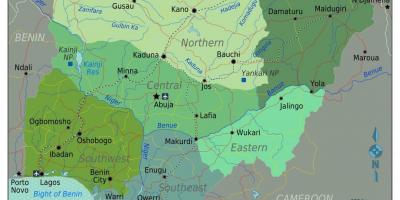
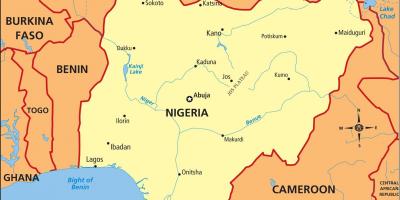
Lagos, Nigeria, is a bustling metropolis that serves as the economic hub of the country and one of the largest cities in Africa. The Lagos Nigeria map is essential for understanding the city's layout, as it highlights key areas including the mainland and the island. This map not only shows the intricate road networks and public transport systems but also points out major landmarks, such as the Lekki-Ikoyi Link Bridge, the National Theatre, and the bustling markets that define the local culture. Understanding these geographical features can significantly enhance a visitor’s experience or a resident's navigation throughout the city.
Historically, Lagos has evolved dramatically from a small fishing village to a cosmopolitan city. The Lagos Nigeria map reflects this transformation through its diverse neighborhoods, each with unique characteristics. Areas like Victoria Island and Ikoyi are known for their affluence, while neighborhoods such as Ajegunle showcase the vibrant street life and rich cultural heritage of the city's lower-income residents. The map serves as a visual representation of this historical journey, making it an invaluable resource for anyone looking to appreciate the city’s growth.
Geographically, Lagos occupies a strategic position on the southwestern coast of Nigeria, bordering the Atlantic Ocean. The Lagos Nigeria map emphasizes coastal features that play a vital role in trade, tourism, and fishing. The city's topography includes waterways, lagoons, and a series of islands, which are crucial in determining local climate and biodiversity. Understanding these geographical elements provides insights into the challenges the city faces, such as flooding and urban sprawl, which are increasingly relevant in the context of climate change.
Practically, the Lagos Nigeria map serves various purposes. For tourists, it helps in navigating the city’s attractions and understanding transport options like the BRT (Bus Rapid Transit) system and ferries. For businesses, it offers valuable insights into market locations and demographics, helping them strategize effectively. Furthermore, residents can utilize the map for daily commutes, discovering new neighborhoods, and engaging with community resources. This practical utilization of the map supports both economic and social activities in Lagos.
In conclusion, the Lagos Nigeria map is more than just a tool for navigation; it is a detailed representation of a city that embodies the complexities of urban life in Africa. From its historical roots to its current significance, this map is pivotal in understanding Lagos's role in Nigeria and the broader African context. Exploring this map not only enhances one’s knowledge about Lagos but also encourages a deeper appreciation of its rich cultural tapestry and dynamic environment.
The Lagos Nigeria map is a gateway to exploring one of Africa's most vibrant cities. Delve deeper into the geography and history of Lagos to fully appreciate its significance in Nigeria and beyond.
-
Lagos is the largest city in Nigeria, with an estimated population of over 14 million people, making it one of the fastest-growing cities in the world.
-
The city was originally a part of the Yoruba kingdom and was known as Eko, a name still used by locals today.
-
Lagos has over 200 neighborhoods, each with its own distinct culture, demographics, and economic activities.
-
The Lekki Free Trade Zone is located in Lagos and is the largest free trade zone in West Africa, aimed at boosting trade and investment.
-
The city is built on a series of islands and is connected by numerous bridges, with the Lekki-Ikoyi Link Bridge being one of the most iconic.
-
Lagos is home to one of Africa's largest and busiest ports, which plays a crucial role in the economy of Nigeria.
-
The city experiences a tropical savannah climate, characterized by a wet season and a dry season, making its geography significant for agriculture and tourism.
-
Lagos is known for its vibrant arts scene, including music genres like Afrobeats, which have gained international popularity.
-
The National Museum in Lagos houses some of Nigeria's most important artifacts, showcasing the country’s rich history and cultural heritage.
-
Lagos is also a hub for technology and innovation in Africa, often referred to as 'Silicon Lagoon' due to its growing tech startup ecosystem.