Explore the Map of Nigeria: Road Distances and Travel Insights
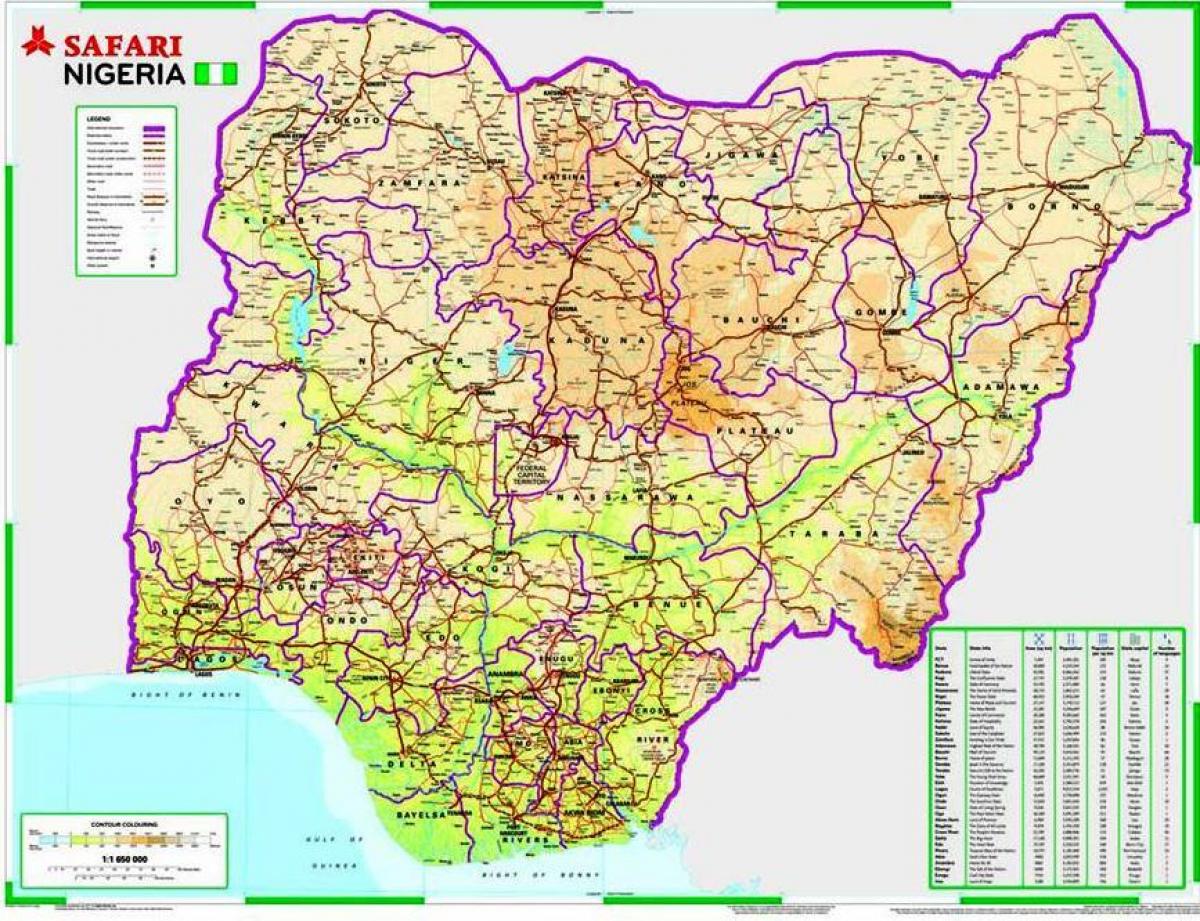
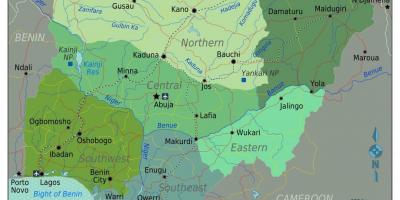
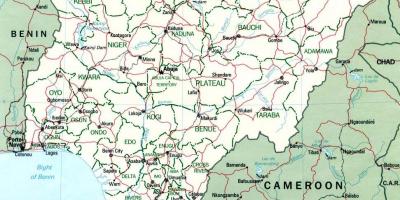
A map of Nigeria showcasing road distances serves as an essential tool for both travelers and researchers. This map illustrates the vast network of roads connecting cities, towns, and rural areas across the country. It provides detailed information on the distances between various locations, enabling efficient travel planning. Whether you are a tourist visiting Nigeria's cultural landmarks or a logistics manager coordinating shipments, understanding road distances is crucial for effective navigation and time management.
The significance of road distance maps in Nigeria cannot be overstated. With over 200 million inhabitants, Nigeria is the most populous country in Africa, and its road network spans approximately 200,000 kilometers. This extensive road system is vital for economic activities, as it facilitates the movement of goods and services across different regions. Major highways connect key cities like Lagos, Abuja, and Port Harcourt, making it easier for people to travel for business or leisure. Therefore, a clear understanding of road distances can greatly enhance travel efficiency and safety.
Historically, the development of Nigeria's road infrastructure has evolved since colonial times. The British colonial administration initiated the construction of major roads to facilitate resource extraction and trade. Today, Nigeria's road network includes both paved and unpaved roads, with ongoing improvements aimed at enhancing connectivity. However, challenges such as road maintenance, traffic congestion, and safety issues persist. A map that highlights road distances helps users identify routes that may be more efficient or safer, allowing for informed decision-making during travel.
Geographically, Nigeria's diverse landscape influences road distances and travel conditions. From the coastal areas in the south to the arid regions in the north, the topography affects how roads are constructed and maintained. For instance, the Niger River and various hills can create natural barriers, necessitating detours or alternative routes. Understanding these geographical nuances through a detailed road distance map can aid travelers in avoiding potential hazards and optimizing their journeys.
Practical uses of a map showing road distances are vast. For instance, businesses can use this information for logistics planning, ensuring timely deliveries and reducing transportation costs. Additionally, tourists can utilize the map to plan their itineraries, making it easier to explore Nigeria’s rich cultural heritage, wildlife, and natural beauty. Educational institutions and researchers also benefit from this map, as it provides valuable data for studies related to geography, urban planning, and transportation.
In conclusion, a map of Nigeria that illustrates road distances is not just a navigational tool; it is a key resource for understanding the country’s geography and infrastructure. By utilizing this map, users can enhance their travel experiences, boost economic activities, and contribute to better planning in various sectors. Therefore, it is essential to explore the intricate road network of Nigeria and how it connects its people and regions.
The map of Nigeria showcasing road distances is invaluable for travelers and researchers alike. By understanding the road network, you can enhance your navigation and exploration of this vibrant country.
-
Nigeria has one of the largest road networks in Africa, totaling approximately 200,000 kilometers.
-
The Lagos-Ibadan Expressway is one of the busiest highways in Nigeria, connecting the commercial hub of Lagos to Ibadan.
-
Nigeria's road network consists of a mix of paved and unpaved roads, with only about 60% being paved.
-
The longest distance between two major cities in Nigeria is between Lagos and Maiduguri, covering approximately 1,200 kilometers.
-
The Nigerian government has invested significantly in road infrastructure as part of its economic development plans.
-
Traffic congestion is a common issue in major cities like Lagos, often caused by inadequate road infrastructure and rapid population growth.
-
The Niger River poses challenges for road construction, leading to the creation of bridges and ferry services in affected areas.
-
The Abuja-Kaduna highway, completed in 2016, has significantly reduced travel time between Nigeria's capital and the northern region.
-
Nigeria's diverse climate affects road conditions; heavy rains can lead to flooding and damage to unpaved roads in the rainy season.
-
The Federal Road Safety Corps (FRSC) works to improve road safety and reduce accidents across Nigeria's road network.