Explore the Nigeria South Africa Map: Key Insights and Details
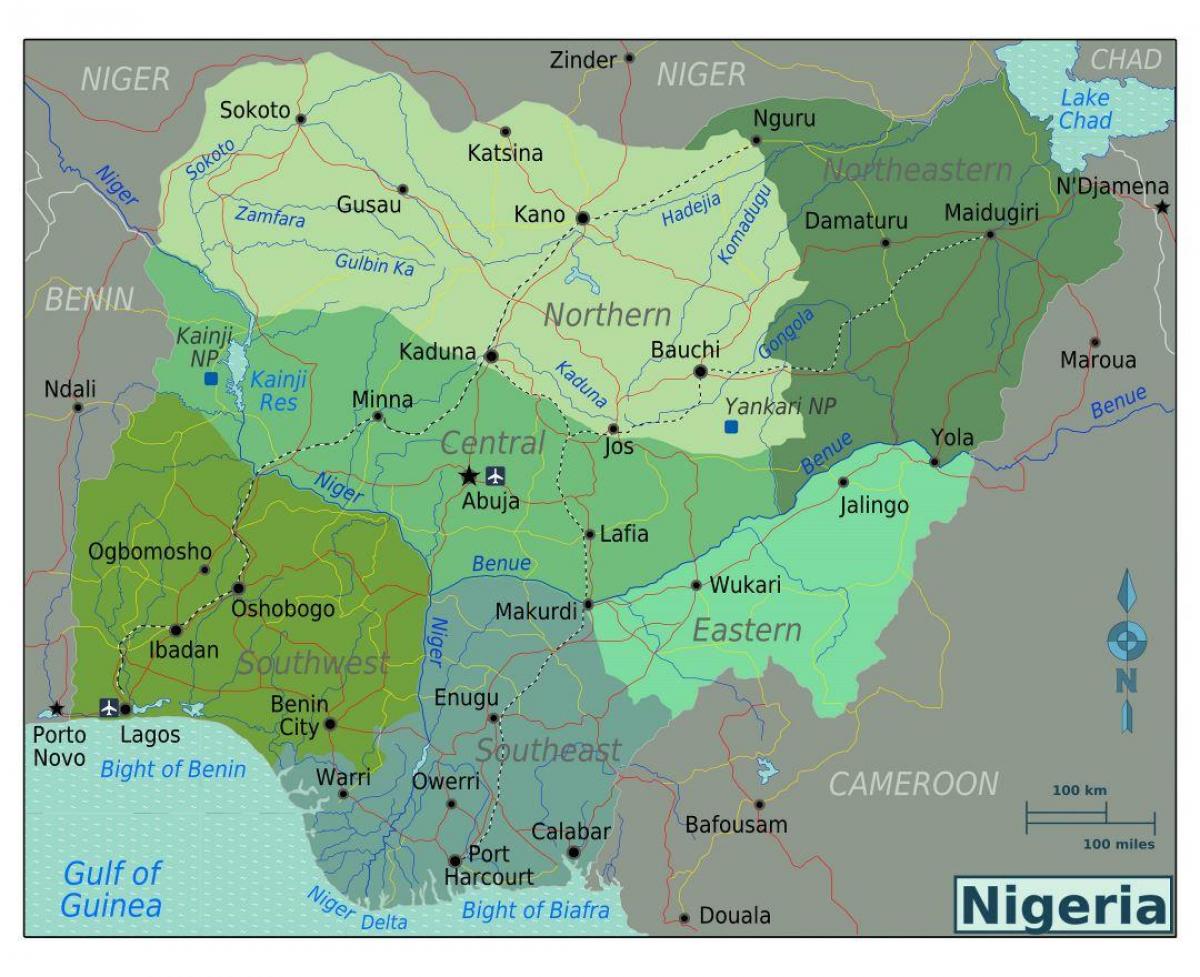
The Nigeria South Africa map serves as an essential tool for understanding the geographical and cultural connections between these two prominent African nations. This map provides a visual representation of the distances, routes, and neighboring countries, which is critical for travelers, researchers, and policymakers. From bustling urban centers to vast landscapes, it encapsulates the diverse terrains that define Nigeria and South Africa, making it a valuable resource for anyone seeking to explore or study these regions.
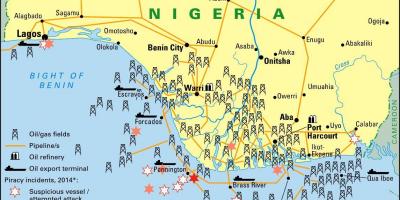
Geographically, Nigeria and South Africa are located on opposite ends of the African continent, with Nigeria situated in the west and South Africa at the southern tip. The map illustrates not only the distances involved but also the various landforms, such as the Niger River, which flows through Nigeria, and the Drakensberg Mountains in South Africa. Understanding these geographical features is important for various reasons, including tourism, trade, and environmental studies. For example, the Niger River is crucial for transportation and agriculture, while the coastal regions of South Africa are vital for fishing and tourism.
Historically, the connections between Nigeria and South Africa date back to colonial times, when both nations experienced European rule and the subsequent struggles for independence. The map provides context for significant historical events that shaped both countries, including the anti-apartheid movement in South Africa and Nigeria's role in the African National Congress. By examining this map, one can gain insights into how historical trade routes and migration patterns have influenced the current socio-economic landscapes in both countries, fostering a deeper understanding of their shared histories.
The significance of the Nigeria South Africa map extends beyond historical context; it also has practical applications in various fields. For businesses looking to expand operations into Africa, understanding the logistics involved in transporting goods between these two nations is paramount. The map aids in identifying key trade routes and potential challenges, such as border crossings and customs regulations. Additionally, for tourists, the map highlights major attractions, cultural landmarks, and natural wonders that each country has to offer, encouraging exploration and appreciation of the diverse experiences available.
Furthermore, educational institutions and researchers utilize the Nigeria South Africa map to study demographics, urbanization patterns, and economic development. By analyzing the spatial relationships depicted on the map, scholars can derive valuable insights into the socio-economic dynamics at play in both countries. This information can aid in policy formulation and development initiatives aimed at enhancing cooperation between Nigeria and South Africa, promoting regional stability and growth.
In conclusion, the Nigeria South Africa map is a multifaceted resource that offers significant insights into geography, history, and practical applications. By understanding the connections illustrated on this map, individuals can better appreciate the complexities of these two influential African nations. Whether you are a traveler, a researcher, or someone interested in African culture, this map serves as an invaluable starting point for deeper exploration of Nigeria and South Africa.
The Nigeria South Africa map is an essential resource for understanding the rich geographical and historical ties between these nations. Explore further to discover more about Nigeria's captivating landscapes and cultural heritage.
-
Nigeria is the most populous country in Africa, with over 200 million inhabitants, while South Africa has around 60 million people.
-
The distance between Nigeria and South Africa is approximately 5,600 kilometers, making travel logistics an important consideration.
-
Nigeria's Niger River is one of the longest rivers in Africa, flowing over 4,180 kilometers before emptying into the Gulf of Guinea.
-
South Africa is home to the Drakensberg Mountains, which are the highest mountain range in Southern Africa, reaching heights of over 3,400 meters.
-
Both countries are members of the African Union, working together on issues like trade and security on the continent.
-
Lagos, Nigeria's largest city, is one of the fastest-growing cities in the world, with a vibrant economy and cultural scene.
-
Johannesburg, South Africa's largest city, is known as the economic heart of the country, contributing significantly to GDP.
-
Nigeria is rich in oil reserves, making it one of the top oil producers globally, while South Africa is known for its mineral wealth, including gold and platinum.
-
The Apartheid system in South Africa ended in the early 1990s, a significant historical moment mirrored by Nigeria's struggle against colonial rule.
-
Both Nigeria and South Africa are known for their diverse cultures and languages; Nigeria alone has over 250 ethnic groups and languages.