Explore the Comprehensive Mineral Map of Nigeria: Key Resources
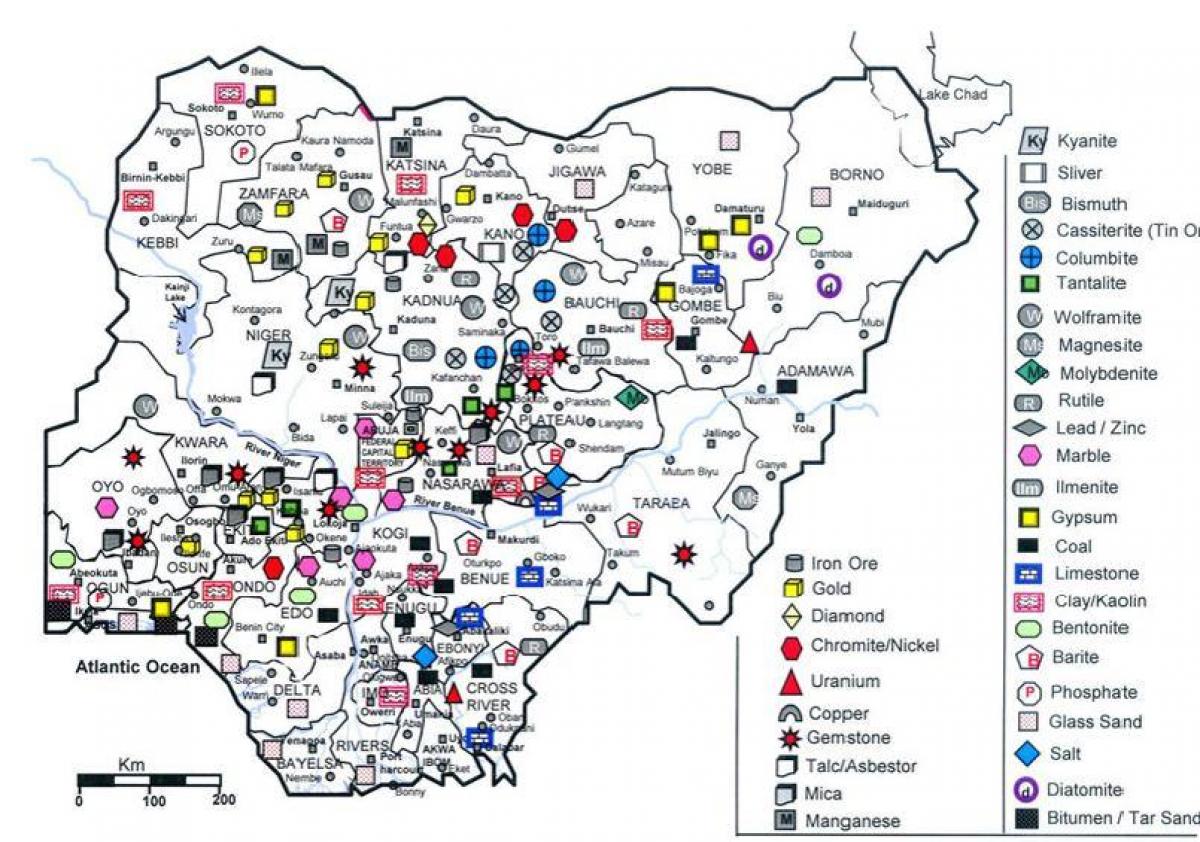
Nigeria is a nation endowed with an abundance of natural resources, making a mineral map of Nigeria an essential tool for understanding its geological wealth. This map showcases various minerals found across the country, including precious metals, gemstones, and industrial minerals. Not only does it highlight the locations of these resources, but it also illustrates the potential for mining and exploration activities. This information is vital for investors, policymakers, and researchers interested in Nigeria's mining sector and overall economic development.
The mineral map of Nigeria provides insight into the country's diverse geology, which includes sedimentary, metamorphic, and igneous rocks. The presence of minerals such as gold, tin, limestone, coal, and granite is significant for both local and international markets. For instance, Nigeria is one of the leading producers of tin in Africa, primarily located in the Jos Plateau region. This area has a rich history of tin mining that dates back to the early 20th century, making it a historical and economic hotspot for mineral extraction.
Historically, Nigeria's mineral wealth has played a crucial role in its economy. The discovery of minerals attracted foreign investments, leading to the establishment of mining companies and the creation of jobs. Despite this, the country has faced challenges such as inadequate infrastructure, regulatory hurdles, and environmental concerns. The mineral map not only helps identify the locations of various minerals but also serves as a guide for sustainable mining practices that can reduce environmental impact while maximizing economic benefits.
Geographically, Nigeria's mineral deposits are distributed across several regions, each with unique mineral compositions. The northern regions are rich in minerals like gold and tin, while the southern regions have vast deposits of limestone and coal. The mineral map of Nigeria is therefore not just a representation of resources; it is a tool that highlights the geographic distribution of these minerals, assisting in regional planning and development strategies. Understanding these geographic patterns can also aid in balancing resource extraction with environmental conservation efforts.
Practically, the mineral map of Nigeria serves multiple purposes. For mining companies, it acts as a reference point for exploration and investment decisions. For government authorities, it provides crucial data for policy formulation and regulatory frameworks. Furthermore, educational institutions can utilize this map for research and academic purposes, fostering a better understanding of Nigeria's geology and resources. By leveraging this information, stakeholders can work collaboratively to promote responsible mining initiatives that support economic growth while protecting natural habitats.
In conclusion, the mineral map of Nigeria is an invaluable resource that highlights the country's rich geological diversity and its potential for economic development. It encourages further exploration of Nigeria's vast mineral wealth and its geographical significance.
-
Nigeria is home to over 44 different minerals, including gold, coal, and limestone.
-
The Jos Plateau is one of Nigeria's most significant zones for tin mining, with a history dating back to the early 1900s.
-
Nigeria ranks as the largest producer of tin in Africa and one of the top producers in the world.
-
Limestone is abundant in Nigeria, primarily found in the southern part of the country, and is crucial for cement production.
-
The Nigerian Mining Corporation was established in 1972 to explore and exploit the country's mineral resources effectively.
-
Gold mining in Nigeria has been on the rise, especially with the recent discoveries in the northwest region.
-
Nigeria's coal deposits are primarily located in the eastern region, particularly in Enugu State, with reserves estimated at 2.7 billion tons.
-
The mining sector contributes significantly to Nigeria's GDP, yet it remains under-explored compared to its potential.
-
Gemstones such as sapphires, rubies, and emeralds can also be found in Nigeria, adding to its mineral diversity.
-
The Nigerian government is actively promoting the development of the mining sector to diversify the economy away from oil dependency.