Explore Nigeria's Crop Distribution: An In-Depth Map Analysis
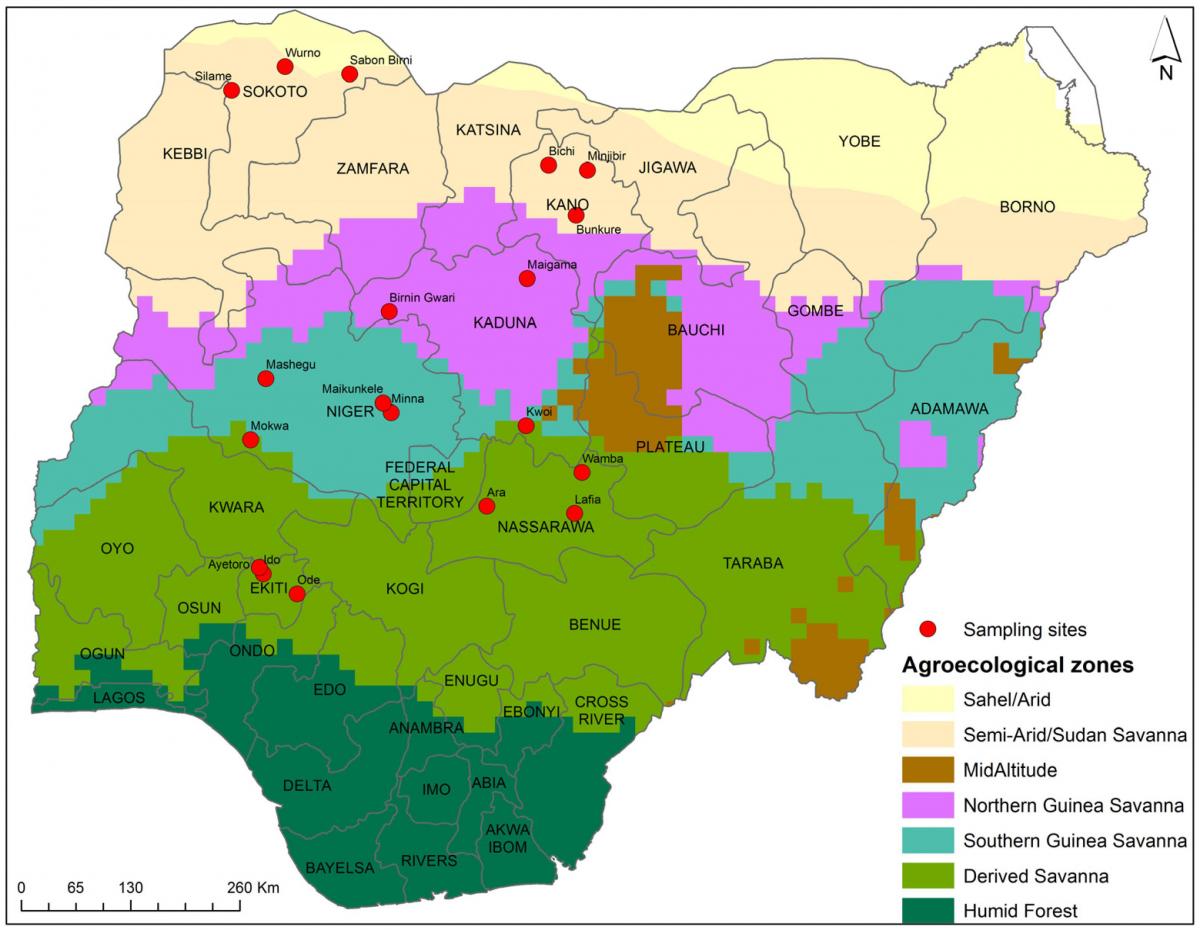
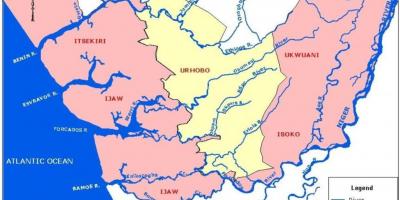
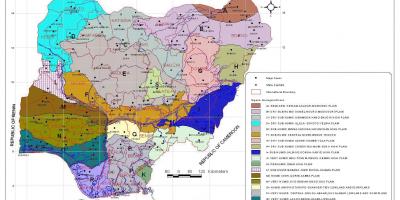
The map of Nigeria showing crop distribution is an invaluable tool for understanding the agricultural landscape of the country. This detailed representation illustrates where various crops are grown across Nigeria's diverse regions, highlighting the climatic and soil conditions that influence agricultural practices. Key crops such as yams, cassava, maize, and rice are prominently featured, along with regions known for cash crops like cocoa and groundnuts. By analyzing this map, one can appreciate how geography and climate shape the farming practices and crop yields in Nigeria.
Understanding the crop distribution in Nigeria is essential for multiple reasons. Agriculture plays a crucial role in Nigeria's economy, employing a significant portion of the population and contributing to food security. The map allows farmers, policymakers, and researchers to identify which crops thrive in specific regions, facilitating better resource allocation and agricultural planning. For instance, the northern regions are known for their production of millet and sorghum, while the southern regions are more conducive to crops like palm oil and rubber. This geographic insight underscores the importance of tailored agricultural practices that align with local conditions.
Historically, Nigeria's agricultural practices have evolved significantly. Before the colonization period, indigenous farming methods were primarily subsistence-based, focusing on local crops. However, with the introduction of cash crops during British rule, the landscape of Nigerian agriculture changed dramatically. The map reveals these historical shifts, illustrating how colonial policies influenced crop distribution and agricultural focus. Understanding this context helps us appreciate the complexities of Nigeria's current agricultural framework and the ongoing challenges faced by farmers.
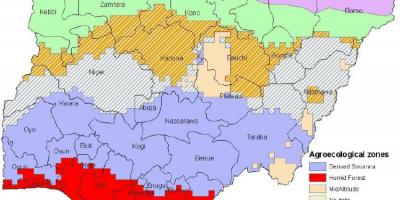
Geographically, Nigeria's varied climate zones-from the arid northern areas to the humid southern regions-play a pivotal role in crop distribution. The northern region, characterized by savannah and semi-arid conditions, is better suited for drought-resistant crops. In contrast, the southern region, with its lush rainforests, supports a wider variety of crops. The map effectively conveys these climatic variations, making it a critical resource for anyone interested in Nigeria's agricultural geography. Additionally, local infrastructure and market access greatly influence which crops are cultivated, making this map a key reference for understanding economic potential across different states.
The practical uses of a crop distribution map in Nigeria extend beyond agriculture. It aids in disaster management by identifying areas vulnerable to crop failures due to climate change or pests. Moreover, it serves educational purposes, providing students and researchers with a visual representation of Nigeria's agricultural diversity. By analyzing the map, stakeholders can develop strategies to improve agricultural resilience and sustainability, ensuring that Nigeria's farming practices evolve alongside environmental challenges.
In summary, the map of Nigeria showing crop distribution is a vital tool for understanding the intricate relationship between geography, agriculture, and economy. It reflects the historical context of farming in Nigeria while highlighting current trends and future possibilities. By exploring this map, one can gain a deeper appreciation for the diversity of Nigeria’s agricultural landscape and the importance of sustainable farming practices in securing the nation’s food supply.
In conclusion, the map of crop distribution in Nigeria is not just a visual aid; it is a powerful resource for understanding the country’s agricultural dynamics. By exploring this map, you can uncover insights that drive better agricultural practices and policies in Nigeria.
-
Nigeria is the largest producer of cassava in the world, contributing over 20% of global production.
-
The northern regions of Nigeria are known for growing drought-resistant crops like sorghum and millet, which are staple foods for many communities.
-
Cocoa production is concentrated in the southwestern part of Nigeria, making it one of the top three cocoa producers in Africa.
-
Nigeria's agricultural sector employs about 36% of the country's workforce, highlighting its importance to the economy.
-
The country has over 84 million hectares of arable land, but only about 40% is currently cultivated, indicating significant potential for growth.
-
Rice is increasingly becoming a staple in Nigeria, with production seeing substantial growth in recent years, especially in the northern regions.
-
The Niger River, one of the longest rivers in Africa, plays a crucial role in irrigation and agriculture in Nigeria, supporting crop growth in its basin.
-
Yams are a vital crop in Nigeria, with the country being the largest producer of yams globally, accounting for over 70% of world production.
-
Climate change is impacting agricultural practices in Nigeria, with shifting rainfall patterns affecting crop yields and distribution.
-
The Nigerian government has launched various initiatives to boost agricultural production, focusing on improving access to markets and modern farming techniques.