Discovering Nigeria's Location on the World Map: A Geographical Insight
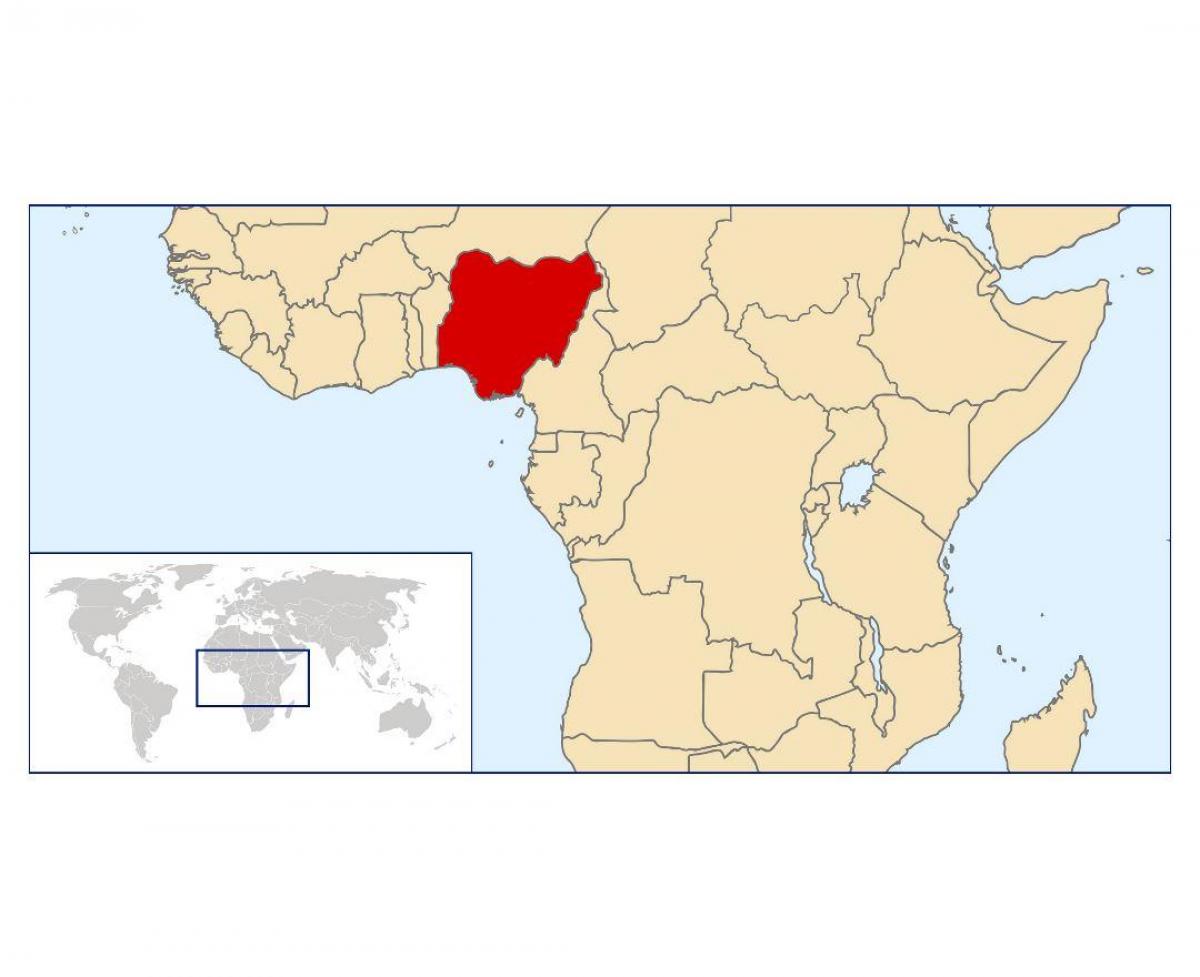
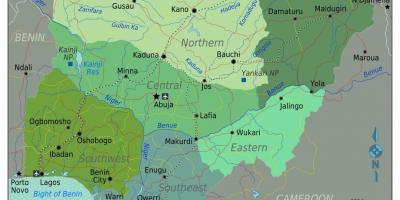
Nigeria is situated on the west coast of Africa, bordered by Benin to the west, Niger to the north, Chad to the northeast, and Cameroon to the east. The Gulf of Guinea lies to the south, providing Nigeria with an extensive coastline of about 853 kilometers. This geographical positioning places Nigeria in a crucial spot for trade and cultural exchange, making it a focal point on the African continent. Understanding Nigeria's location on the world map not only highlights its geographical significance but also helps to appreciate its role in regional and global contexts.
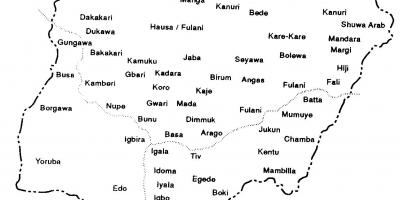
The importance of Nigeria's location extends beyond mere geography; it has historical implications as well. Historically, Nigeria has been a melting pot of various cultures, languages, and ethnic groups, including the Hausa, Yoruba, and Igbo. This diversity has been shaped by Nigeria's position along major trade routes that have existed for centuries. The Niger River, one of Africa's largest rivers, flows through Nigeria and has been instrumental in supporting trade, agriculture, and transportation, further solidifying Nigeria's importance in the region.
Geographically, Nigeria can be divided into several regions, each with unique features that contribute to its national identity. The northern region is characterized by savannahs and arid climates, while the south features lush rainforests and a more humid climate. The central area, known as the Middle Belt, serves as a transitional zone between the two. This diversity in landscapes not only influences the agricultural practices within the country but also shapes the lifestyle and culture of its inhabitants. The geographical features found throughout Nigeria, such as the Jos Plateau and the Niger Delta, play a significant role in its economy and environment.
In addition to its historical and cultural significance, Nigeria's location has practical implications for its economy and international relations. The country's access to the Atlantic Ocean allows for vital maritime trade, making it one of the largest economies in Africa. Key exports such as oil and agricultural products travel through its ports, connecting Nigeria to global markets. Understanding Nigeria's location on the world map reveals how it has leveraged its geographical advantages to become a hub for business and commerce in West Africa.
Moreover, Nigeria's location is also pivotal for regional security and cooperation. As a member of the Economic Community of West African States (ECOWAS), Nigeria plays a leading role in addressing regional challenges such as security threats and economic development. Its geographical position allows Nigeria to influence policies and initiatives that promote stability and growth in the West African region. Therefore, Nigeria's location is not merely a point on the map; it is a vital aspect of its identity and influence on the world stage.
In conclusion, Nigeria's location on the world map is a significant factor that shapes its history, culture, and economy. From its strategic coastal access to its role in regional trade and politics, understanding Nigeria's geographical position offers valuable insights into its past and present. As one explores this vibrant nation, the importance of its location becomes clear, contributing to its status as a key player in Africa and beyond.
Nigeria's geographical location is a key factor in understanding its rich history and cultural diversity. Explore more about this fascinating country and its geography today.
-
Nigeria is the most populous country in Africa, with over 200 million inhabitants, making it a key player in regional demographics.
-
The Niger River is the third-longest river in Africa, stretching about 4,180 kilometers, and it plays a vital role in Nigeria's economy and transportation.
-
Nigeria has more than 250 ethnic groups, with the three largest being the Hausa, Yoruba, and Igbo, each contributing to the country's cultural tapestry.
-
Lagos, Nigeria's largest city, is one of the fastest-growing cities in the world and serves as the country's commercial hub.
-
Nigeria is rich in oil reserves, ranking as the 10th largest producer of crude oil in the world, which significantly influences its economy.
-
The country has a diverse climate that ranges from arid in the north to tropical in the south, affecting agricultural practices and lifestyle.
-
Nigeria is home to the largest market in West Africa, the Balogun Market in Lagos, which attracts thousands of traders and shoppers daily.
-
The country is known for its rich biodiversity, including over 1,000 species of birds and various endangered species found in its national parks.
-
Nigeria's coastline along the Gulf of Guinea is approximately 853 kilometers long, providing access to major shipping routes.
-
The ancient city of Kano, located in northern Nigeria, has been a significant trade center for centuries, showcasing Nigeria's historical importance on trade routes.