Explore Nigeria's Ecological Zones Through an Informative Map
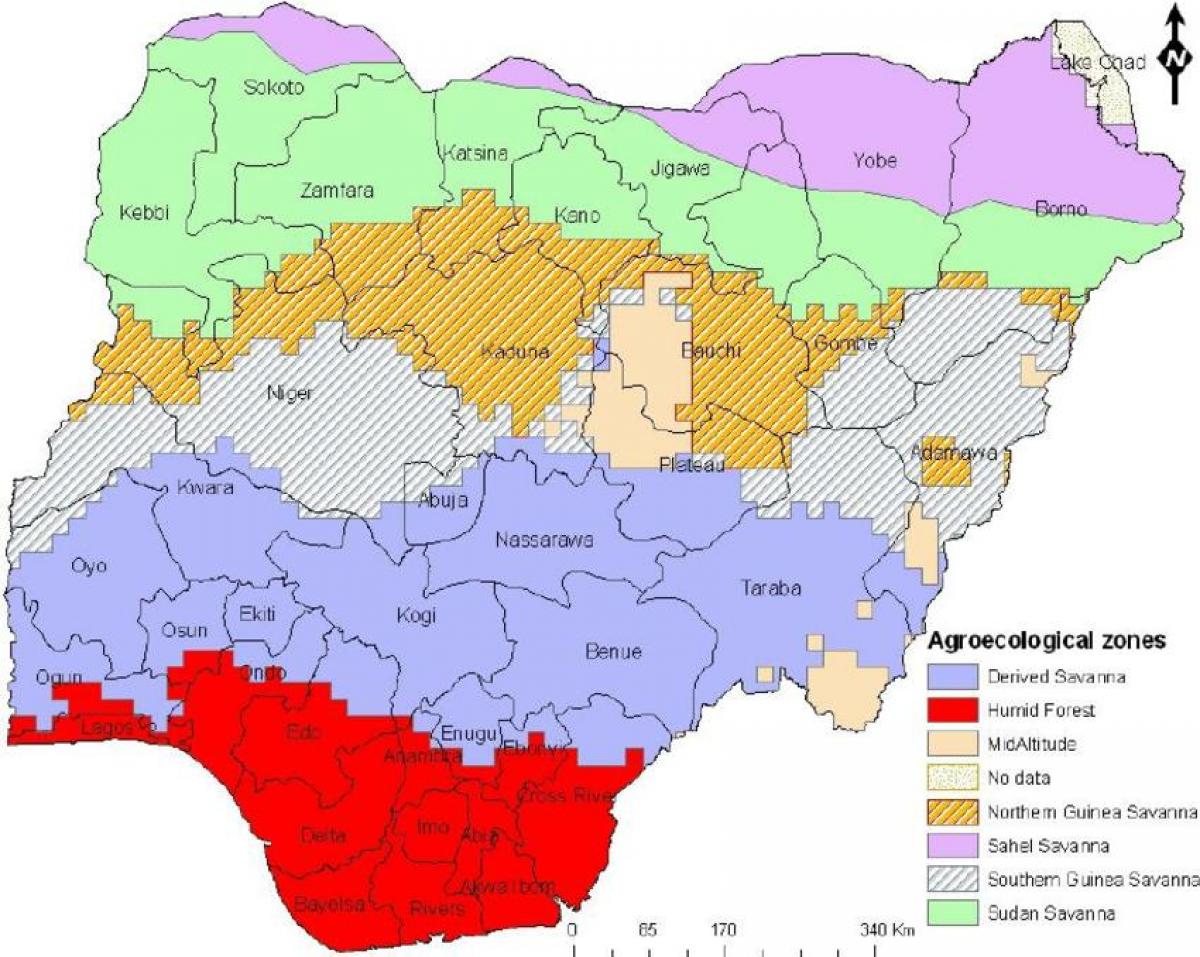
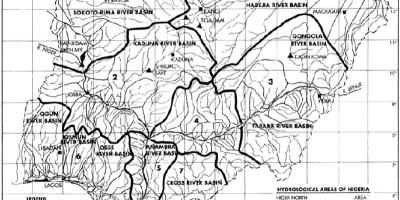
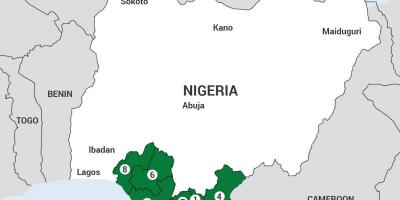
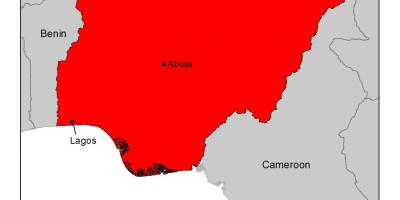
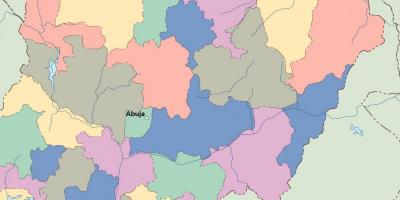
Nigeria is a country rich in biodiversity, characterized by a variety of ecological zones that reflect its diverse climate and geographical features. A map of Nigeria showing these ecological zones is not just a visual representation, it serves as a crucial tool in understanding the environmental dynamics of the region. The country is divided into several ecological zones, including the coastal mangroves, the savannah, semi-arid regions, and tropical rainforests. Each zone supports unique ecosystems that contribute to Nigeria's overall biodiversity.
The significance of mapping Nigeria's ecological zones extends beyond academic interest. Understanding these zones is vital for environmental management, agricultural planning, and conservation efforts. For instance, the northern regions, primarily made up of savannah and semi-arid areas, face challenges such as desertification and land degradation. Conversely, the southern regions, with their lush rainforests, are critical for biodiversity conservation and have become focal points for ecotourism. By studying the distribution of these ecological zones, policymakers and environmentalists can implement targeted strategies to address the pressing environmental issues facing each region.
Historically, Nigeria's ecological zones have influenced human settlement patterns, agricultural practices, and economic activities. The fertile lands of the Niger Delta are ideal for agriculture and fishing, while the arid northern regions have traditionally relied on livestock herding. The ecological map illustrates how these historical practices align with the availability of resources, guiding both past and present communities in their livelihoods. For instance, the Yoruba people predominantly inhabit the southwest, an area rich in biodiversity, which has shaped their cultural practices and agricultural methods.
Geographically, Nigeria's ecological zones are shaped by climatic factors such as rainfall distribution, temperature variations, and soil types. The northern regions experience a dry climate, while the southern parts benefit from a more humid atmosphere, fostering lush vegetation. This climatic diversity promotes a variety of flora and fauna, making Nigeria one of the most ecologically diverse countries in Africa. The map provides a clear overview of these climatic influences, highlighting the importance of geographical features such as the Niger River and the Jos Plateau in shaping the ecological landscape.
In practical terms, this map can be utilized by researchers, educators, and even tourists seeking to explore Nigeria's environmental diversity. It serves as an informative guide for those interested in agriculture, conservation, and tourism, helping them understand where to focus their efforts based on the ecological characteristics of each zone. Furthermore, environmental NGOs can use this map to identify areas in need of conservation, ensuring that Nigeria's natural heritage is protected for future generations.
In conclusion, the ecological zones of Nigeria are a testament to the country's rich environmental tapestry. The map not only highlights the diversity of these zones but also underscores the importance of understanding them for sustainable development and conservation. By exploring Nigeria's ecological zones, individuals can gain insights into the intricate balance of nature that sustains the nation’s environment and culture.
This map of Nigeria's ecological zones is invaluable for understanding the country's complex environment. We encourage you to delve deeper into Nigeria's geography and appreciate its rich ecological diversity.
-
Nigeria is home to over 1,000 species of birds, many of which inhabit its diverse ecological zones.
-
The Niger Delta region, one of the key ecological zones, is one of the most biodiverse areas on the planet.
-
Nigeria has three major ecological zones: the rainforest in the south, the savannah in the center, and the semi-arid zone in the north.
-
The country's mangrove forests, primarily found in the Niger Delta, are among the largest in Africa.
-
The Jos Plateau, located in central Nigeria, is known for its unique climate and rich biodiversity, making it a significant ecological zone.
-
Nigeria's ecological zones are critical to agriculture, with crops such as yams and cassava thriving in the fertile southern regions.
-
Over 70 percent of Nigeria's land is classified as agricultural land, much of which is influenced by its ecological zones.
-
The northern part of Nigeria experiences a dry climate, leading to challenges such as desertification and food security issues.
-
Nigeria's tropical rainforests are home to various endangered species, including the Cross River gorilla and the African forest elephant.
-
The unique interplay of Nigeria's ecological zones contributes to its vibrant cultural diversity, with different communities adapting to their specific environments.