Explore the Map of Nigeria Showing Railway Lines and Routes
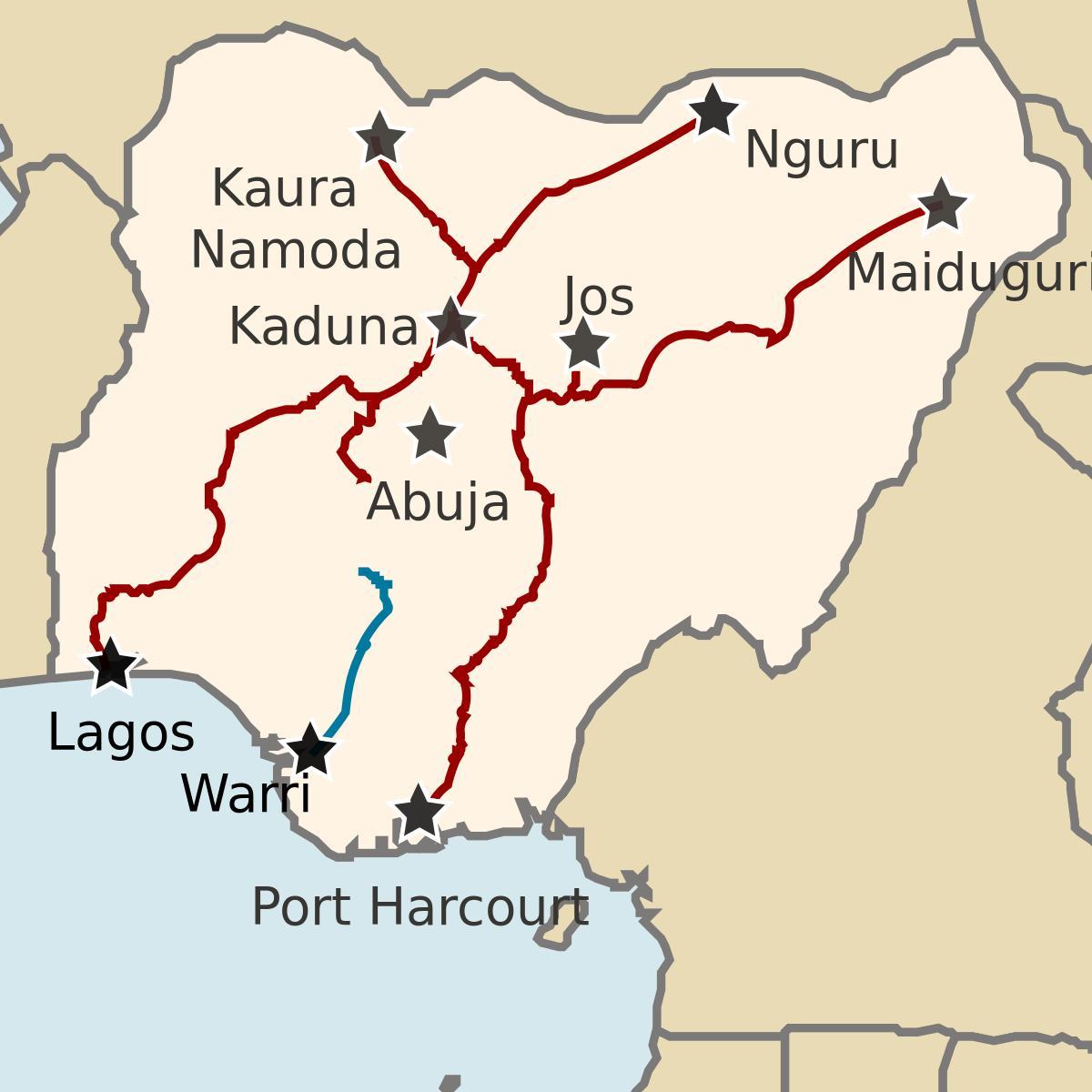
Nigeria's railway system is a vital component of its transportation infrastructure, connecting major cities and facilitating trade across the nation. The map of Nigeria showing railway lines serves as a comprehensive guide to understanding this network, illustrating both historical and modern routes. As one of the largest countries in Africa, Nigeria's railway system plays a crucial role in enhancing economic growth, reducing traffic congestion, and promoting intercity travel.
The railway system in Nigeria has a rich history dating back to the colonial era. The first railway line was constructed in 1896, linking Lagos to the northern city of Kano. This initial development laid the groundwork for a more extensive network that would evolve over the decades. The map showcases key lines, such as the Lagos-Ibadan line, which is essential for the movement of goods and passengers between these bustling urban centers. In recent years, efforts have been made to revamp the railway system, leading to the introduction of new routes and the modernization of existing ones.
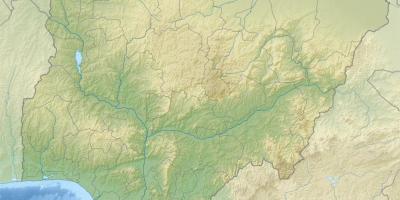
Geographically, the railway lines in Nigeria traverse diverse landscapes, from coastal areas in the south to the arid regions in the north. This geographic significance is highlighted on the map, as it not only indicates the routes but also showcases the various terrains and environments that the railway service navigates. The railway system connects several regions, which is essential for promoting regional development and accessibility. It also plays a vital role in linking agricultural zones with urban markets, thereby enhancing food distribution and economic opportunities.
The practical uses of the railway map extend beyond just navigation. For travelers, it provides insights into accessible routes and travel times, making it easier to plan journeys across the country. For businesses, understanding the railway network is crucial for logistics and supply chain management. Furthermore, the map serves as a valuable resource for urban planners and policymakers, helping them to identify areas needing infrastructure development or enhancement.
In summary, the map of Nigeria showing railway lines is more than just a visual representation; it is a tool that encapsulates the significance of rail transport in the country. It highlights the interconnectedness of cities and regions, the historical context of railway development, and the geographic challenges faced in expanding the network. As Nigeria continues to modernize its infrastructure, this map will remain a vital resource for understanding the evolving landscape of transportation in the nation.
In conclusion, the map of Nigeria showcasing railway lines is an essential resource for anyone interested in the country's geography and transportation networks. By exploring this map, you can gain insights into Nigeria's economic landscape and the vital role of railways in connecting its diverse regions.
-
The first railway line in Nigeria was built in 1896, connecting Lagos to Kano, and set the stage for the country's railway development.
-
Nigeria's railway system spans approximately 3,500 kilometers, covering various terrains, including urban, rural, and mountainous areas.
-
The Lagos-Ibadan railway line is one of the busiest routes in Nigeria, facilitating trade and passenger movement between two major economic hubs.
-
Modernization efforts have been underway since 2006, with significant investments in new trains, tracks, and stations to improve service efficiency.
-
The Nigerian Railway Corporation was established in 1955, responsible for overseeing the country's railway operations and maintenance.
-
In 2021, the Nigerian government launched the Abuja-Kaduna railway service, which significantly reduced travel time between the two cities.
-
The railway system plays a crucial role in transporting agricultural products, contributing to food security and economic sustainability in Nigeria.
-
Nigeria's railway map includes several key junctions, such as the Port Harcourt and Enugu junctions, which are critical for freight and passenger services.
-
In 2019, Nigeria's railway sector received a $1.5 billion investment for further expansion and modernization of existing lines.
-
The railway system is expected to play a significant role in Nigeria's Vision 2050 plan, aimed at transforming the economy and improving infrastructure nationwide.