Explore Nigeria's Natural Resources Map: Key Insights and Facts
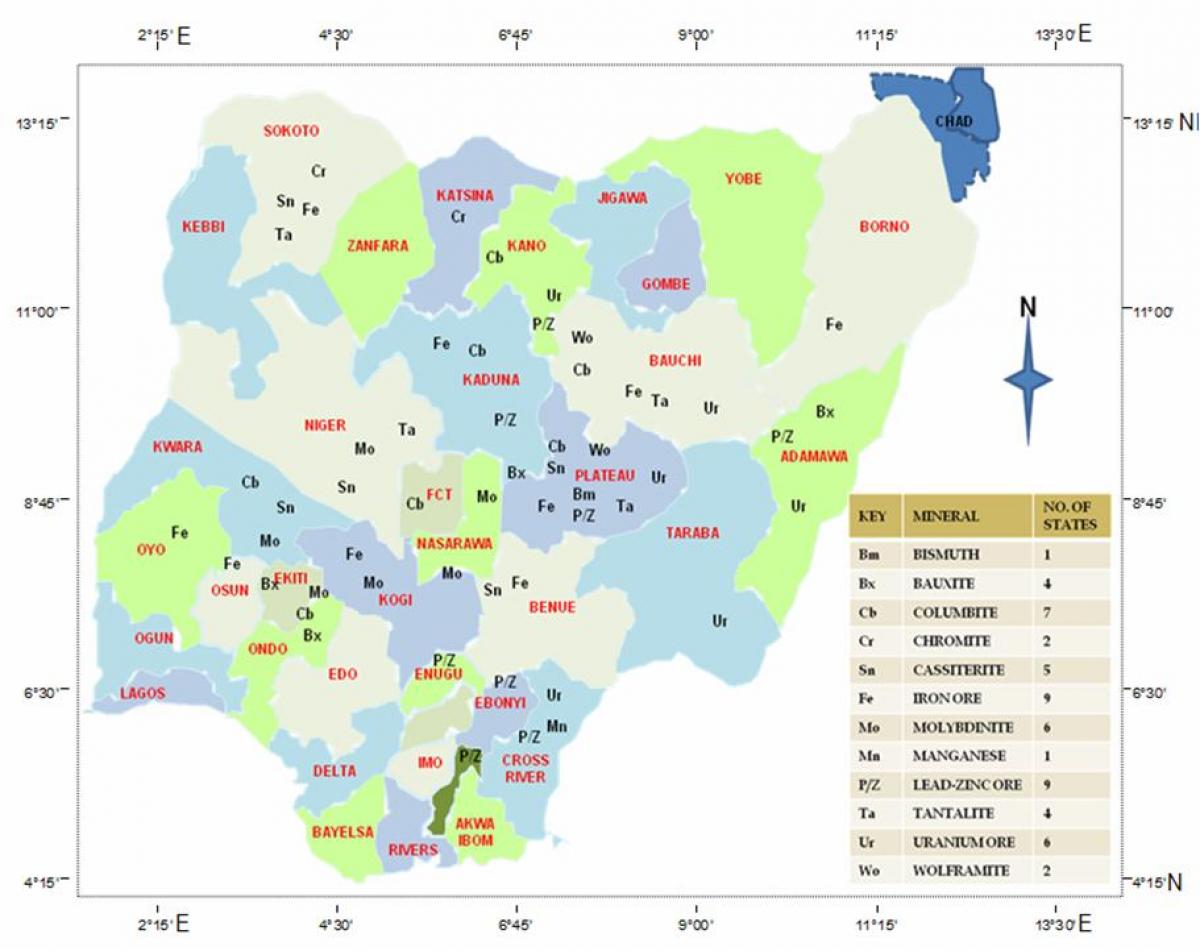
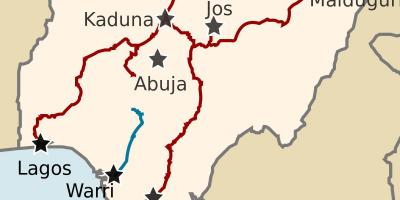
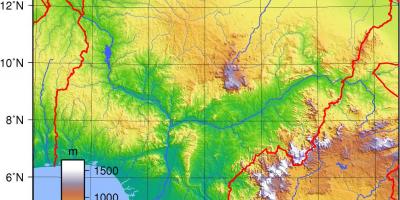
Nigeria's natural resources map is a vital tool that highlights the distribution and abundance of various natural resources across the country. This map showcases crucial resources including oil, natural gas, minerals, and agricultural products, providing a clear picture of Nigeria's wealth. Understanding the distribution of these resources is essential not just for the economy, but also for regional planning and sustainable development. The map serves as a guide for policymakers, investors, and researchers, illustrating where resources are located and how they can be effectively managed for the country’s growth.
The importance of the resources depicted on Nigeria's map cannot be overstated. Nigeria is one of the largest oil producers in Africa, and its oil reserves are primarily located in the Niger Delta region. This area is not only significant for its economic contributions but also for its environmental challenges. The map highlights areas where oil drilling occurs, allowing for better environmental management and policy-making. Additionally, Nigeria is rich in minerals like tin, limestone, and coal, which can be seen mapped out and are crucial for various industries, including construction and energy.
Historically, the exploitation of natural resources has shaped Nigeria's economy and social landscape. The oil boom in the 1970s transformed Nigeria into one of the wealthiest countries in Africa, but it also brought challenges such as corruption, neglect of agricultural sectors, and environmental degradation. The natural resources map provides a historical context, showing how resource distribution has evolved over time and how it has influenced economic policies and social dynamics. By examining this map, one can gain insights into the historical shifts in resource management and economic focus, particularly the transition from agriculture to oil.
Geographically, Nigeria's natural resources are concentrated in specific regions, which has implications for regional development and infrastructure. The northern regions are known for their agricultural output, while the southern regions are rich in mineral resources. This geographic significance indicates the need for balanced development strategies that take into account regional strengths and weaknesses. The natural resources map serves as a blueprint for regional planners to ensure equitable distribution of resources and development efforts, fostering national unity and cohesion.
Practically, the uses of Nigeria's natural resources map extend beyond academic interest. Investors look at this map to identify potential opportunities for mining, oil exploration, and agricultural ventures. It also aids government agencies in resource allocation and environmental monitoring. Moreover, NGOs and environmental groups utilize this map to advocate for sustainable practices and to protect vulnerable ecosystems affected by resource extraction. The map thus plays a multifaceted role in shaping Nigeria's future by guiding economic growth while promoting environmental stewardship.
In conclusion, Nigeria's natural resources map is not just a geographical tool; it is a strategic asset that informs economic decisions, regional planning, and environmental management. By understanding the distribution of these resources, stakeholders can work towards a more sustainable and prosperous future for Nigeria. Further exploration of Nigeria's geography and resources will uncover even more insights into this dynamic nation.
The natural resources map of Nigeria is an invaluable resource for understanding the country's wealth and potential. By exploring this map, you can gain deeper insights into Nigeria's geography and the vital resources that shape its economy and environment.
-
Nigeria is the largest oil producer in Africa, with reserves primarily located in the Niger Delta region.
-
The country has over 37 billion barrels of proven oil reserves, making it one of the top ten oil-rich nations globally.
-
Nigeria is also rich in natural gas, with reserves estimated at around 206 trillion cubic feet, primarily found in the Niger Delta.
-
The mining sector in Nigeria includes minerals like tin, limestone, coal, and iron ore, contributing to various industries.
-
Agriculture remains a significant part of Nigeria's economy, with the country being a leading exporter of commodities like cocoa and cassava.
-
Nigeria has nine major geological basins, which are important for oil and gas exploration.
-
The country is endowed with diverse ecosystems, including savannahs, forests, and wetlands, which support its rich biodiversity.
-
The Nigerian government has implemented policies to diversify the economy away from oil dependency, focusing on agriculture and solid minerals.
-
Environmental challenges such as oil spills and deforestation are critical issues highlighted on the natural resources map.
-
The geography of Nigeria, with its unique resource distribution, influences not just the economy but also social dynamics and regional development.