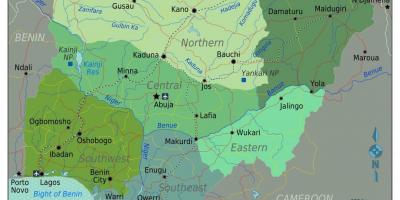
Explore the Diverse Map of Nigerian Tribes and Cultures
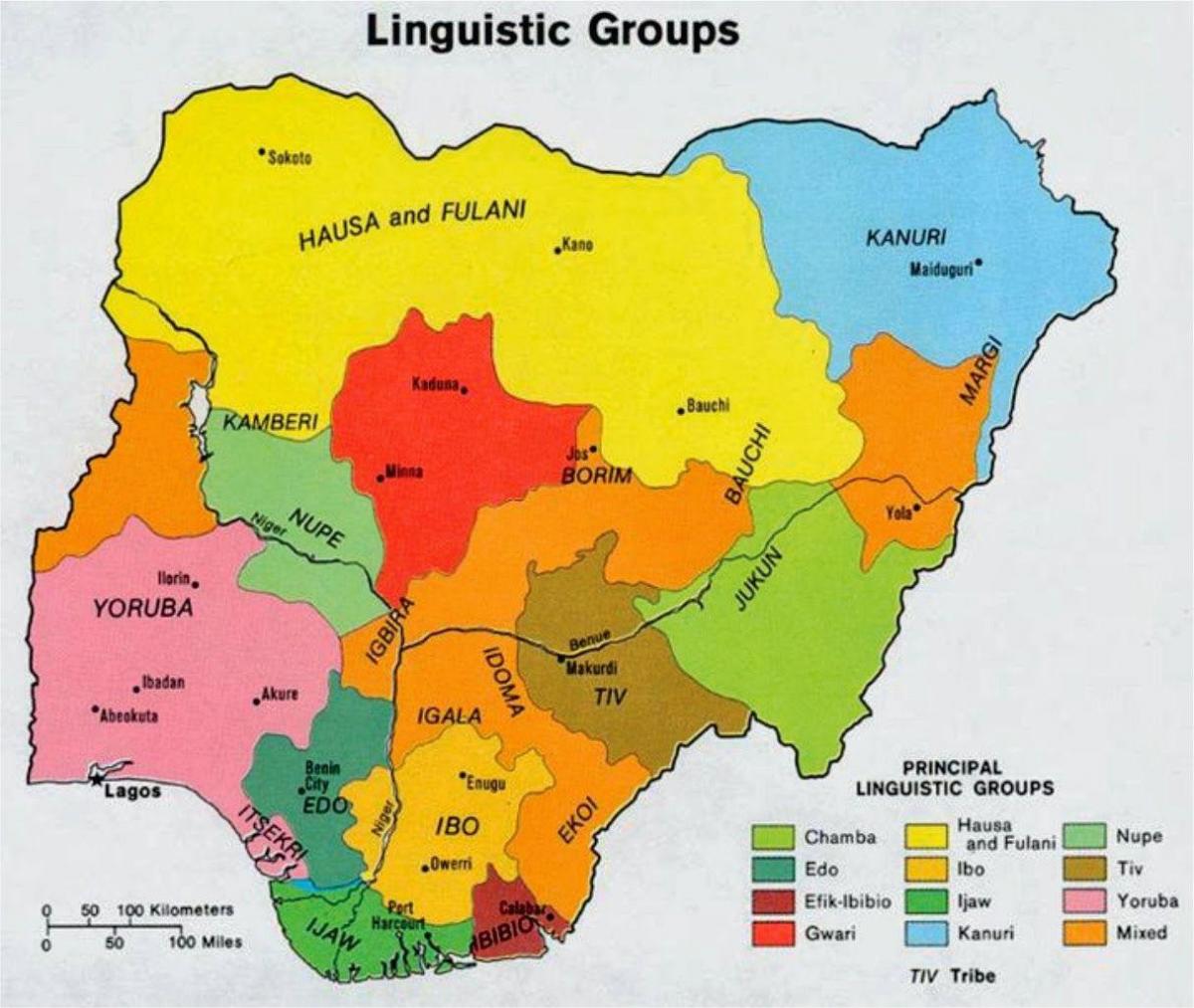
The map of Nigerian tribes is a fascinating representation of the country's rich cultural tapestry. Nigeria is home to over 250 ethnic groups, each with its unique customs, languages, and traditions. This map illustrates the distribution of these tribes across the nation, highlighting regions where specific groups thrive. Understanding this map is essential for grasping the social dynamics and cultural interactions that define Nigeria today.
Historically, the Nigerian tribes have evolved through complex interactions, migrations, and trade. Major ethnic groups include the Hausa-Fulani in the north, the Yoruba in the southwest, and the Igbo in the southeast. The map serves as a visual guide to this historical context, indicating how colonialism, the transatlantic slave trade, and post-independence governance have influenced tribal distributions. Each tribe has its narrative, and the map encapsulates these stories, revealing how geography has shaped their development.
Geographically, Nigeria's diverse landscapes contribute to the distribution of its tribes. The northern region, dominated by the arid Sahel, is primarily home to the Hausa-Fulani, who are traditionally pastoralists. In contrast, the lush forests of the south support the agricultural practices of the Yoruba and Igbo tribes. Understanding these geographical nuances is crucial for anyone interested in Nigeria's socio-economic activities, as they directly impact farming, trading, and community life.
The practical uses of the map of Nigerian tribes extend beyond academic interests. It is an invaluable tool for policymakers, educators, and researchers who seek to understand Nigeria's complex social fabric. By analyzing tribal distributions, stakeholders can develop targeted interventions in areas such as education, healthcare, and economic development. Additionally, this map can assist travelers and adventurers in navigating the rich cultural landscapes of Nigeria, encouraging them to engage with local traditions and communities.
Furthermore, the map serves as a reminder of the importance of preserving Nigeria’s cultural heritage. As globalization influences local customs, understanding the historical and geographical context of Nigerian tribes can foster appreciation and respect for each group’s unique identity. Awareness and education are vital for promoting peace and unity in a nation marked by diversity.
In conclusion, the map of Nigerian tribes is not just a visual representation; it is a powerful tool that encapsulates the essence of Nigeria’s identity. By exploring this map, individuals gain insights into the rich tapestry of cultures that coexist within the nation. It encourages a deeper understanding of the dynamics that shape Nigerian society, fostering appreciation for the diverse heritage that exists within its borders.
The map of Nigerian tribes offers invaluable insights into the country's cultural and geographical diversity. By exploring this resource, you can deepen your understanding of Nigeria's rich heritage and the intricate relationships among its various ethnic groups.
-
Nigeria is the most populous country in Africa, with over 200 million inhabitants.
-
The three largest ethnic groups in Nigeria are the Hausa, Yoruba, and Igbo, comprising about 60% of the population.
-
Nigeria has more than 500 languages spoken across the country, reflecting its ethnic diversity.
-
The Yoruba people are known for their rich tradition of art, music, and festivals, such as the Osun-Osogbo festival.
-
The Igbo tribe has a unique system of governance that includes councils of elders and communal decision-making.
-
The Hausa-Fulani are recognized for their contributions to the Islamic culture in Nigeria, with many practicing Islam as their primary religion.
-
The Niger River, one of Africa's longest rivers, plays a significant role in the livelihoods of many tribes in Nigeria.
-
The Bantu-speaking people migrated from the Benue River area and significantly influenced tribes in southern Nigeria.
-
Nigeria's ethnic diversity has historically led to both cultural richness and social tensions, particularly in the context of political representation.
-
The Nigerian Civil War (1967-1970) was largely influenced by ethnic tensions, particularly involving the Igbo population.