Explore the Rich Diversity of Languages in Nigeria with Our Map
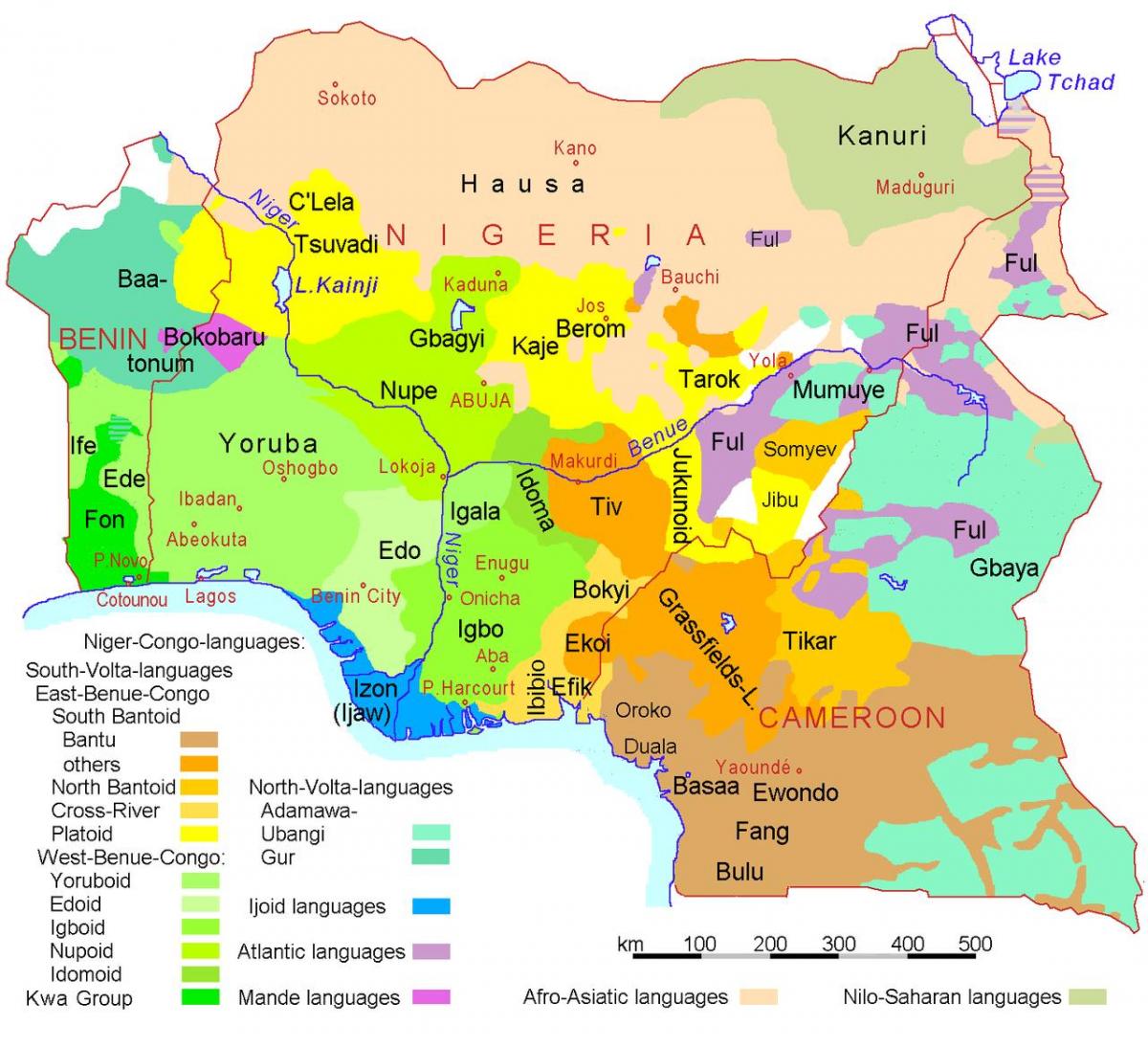
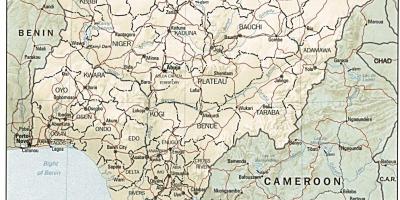
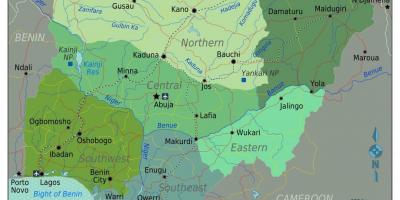
Nigeria is one of the most linguistically diverse countries in the world, boasting over 500 distinct languages. The Nigeria language map is an essential tool that illustrates this rich tapestry of languages across its various regions. It highlights not only the most widely spoken languages such as Hausa, Yoruba, and Igbo, but also many lesser-known dialects that contribute to Nigeria's cultural richness. Understanding this map is crucial for anyone interested in the social fabric of Nigeria, as language is a key element of identity and heritage.
Historically, Nigeria's linguistic landscape has been shaped by various factors including migration, colonization, and trade. The country's colonial past led to the introduction of English as an official language, but it did not diminish the importance of indigenous languages. Instead, the coexistence of English with over 500 native languages has created a unique bilingual environment. The Nigeria language map serves as a reminder of this historical context, illustrating how languages have evolved and adapted over time, reflecting the dynamic nature of Nigerian society.
Geographically, the distribution of languages in Nigeria is not uniform. The northern regions predominantly speak Hausa, while the southwest is known for Yoruba speakers, and the southeast is home to the Igbo language. Other languages such as Fulfulde, Kanuri, and Tiv are also significant in their respective areas. This geographical significance is not merely academic; it influences local businesses, education, and communication. Understanding the language map can assist travelers, researchers, and businesses in navigating the complex linguistic landscape of Nigeria, fostering better interactions and connections.
The practical uses of the Nigeria language map are numerous. For educators, it serves as a valuable resource for teaching about Nigeria's cultural diversity and the importance of language preservation. For businesses, understanding the linguistic landscape can enhance marketing strategies, ensuring that communications are effective and culturally sensitive. Additionally, the map is a crucial tool for anthropologists and linguists studying the evolution of languages and their interrelations, helping them to document and preserve linguistic heritage.
In conclusion, the Nigeria language map is not just a visual representation; it is a gateway to understanding the intricate web of languages that define Nigeria. It encapsulates the historical influences, geographical distributions, and practical implications of the country's linguistic diversity. By exploring this map, one can gain valuable insights into Nigeria's rich cultural heritage and the significance of language in shaping identity and community.
The Nigeria language map offers fascinating insights into the country's diverse cultures and identities. Explore further to appreciate the rich interactions between language, geography, and history in Nigeria.
-
Nigeria is home to over 500 languages, making it the most linguistically diverse country in Africa.
-
Hausa, Yoruba, and Igbo are the three most widely spoken languages in Nigeria, each with millions of speakers.
-
The official language of Nigeria is English, a legacy of British colonial rule that has influenced many aspects of Nigerian life.
-
The Yoruba language has various dialects, including Ekiti, Ijebu, and Ife, which can differ significantly in pronunciation and vocabulary.
-
The Fulfulde language is spoken by the Fulani people, who are scattered across several West African countries, including Nigeria.
-
The Igbo language has over 20 dialects, with Standard Igbo being the most recognized form used in education and media.
-
According to a 2015 census, about 30% of Nigerians are fluent in English, while the majority are native speakers of indigenous languages.
-
Many languages in Nigeria are considered endangered due to urbanization and the dominance of English, prompting efforts for preservation and revitalization.
-
The linguistic diversity in Nigeria reflects its rich cultural heritage, with each language representing unique traditions, customs, and worldviews.
-
Language plays a significant role in Nigeria's politics, with regional languages often influencing local governance and community relations.