Discover the Economic Landscape of Nigeria Through Maps
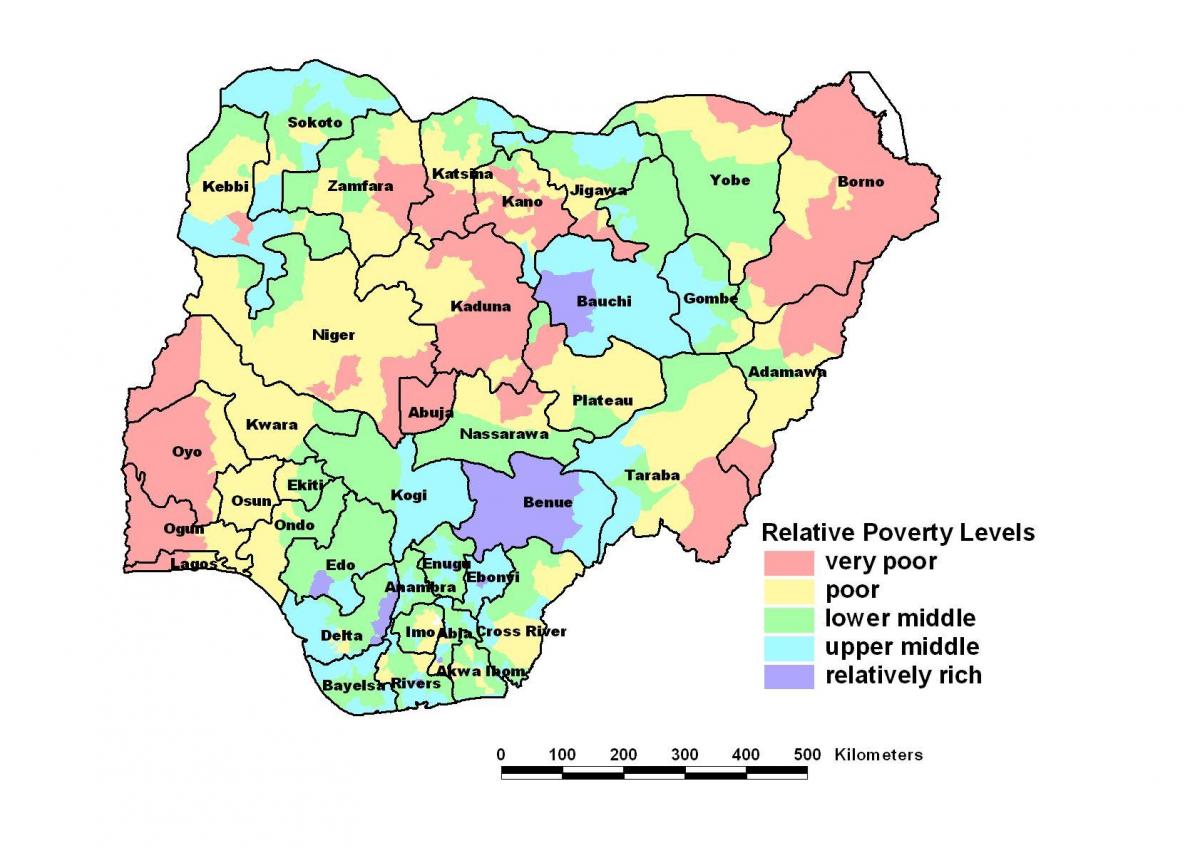
Nigeria, often referred to as the giant of Africa, has a complex and diverse economy that is best understood through its economic map. This map provides visual insights into the various economic activities that define the nation, including agriculture, oil production, mining, and services. By analyzing this map, one can identify key regions that contribute significantly to Nigeria's GDP and comprehend the distribution of resources across the country.
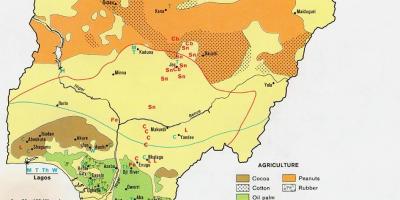
The economic map of Nigeria illustrates several critical sectors that drive the nation's growth. The northern regions are predominantly agricultural, with crops such as millet, sorghum, and groundnuts being cultivated extensively. In contrast, the southern regions, especially the Niger Delta, are rich in oil reserves, making Nigeria one of the top oil producers in Africa. This geographical diversity not only highlights the economic potential of each region but also reveals the challenges they face, including underdevelopment and resource management issues.
Historically, Nigeria's economy has evolved significantly. The discovery of oil in the 1950s transformed Nigeria from a largely agrarian economy to one heavily reliant on oil exports. This shift has had profound implications for the country's development, influencing both economic policies and social structures. The economic map serves as a historical document, reflecting these changes over time and illustrating how Nigeria's geographic wealth has shaped its economic landscape.
Geographically, Nigeria's location is crucial to its economic activities. It shares borders with four countries and has access to the Atlantic Ocean, which facilitates trade. Major cities like Lagos, Abuja, and Port Harcourt are strategically located, acting as economic hubs that connect Nigeria to international markets. The economic map highlights transportation networks, such as roads and railways, that are vital for the movement of goods and services across the country.
The practical uses of Nigeria's economic map are numerous. For investors, it provides critical information on the regions with the best investment opportunities, whether in agriculture, technology, or oil and gas. For policymakers, the map is an essential tool for planning and resource allocation, helping to identify areas that require development and investment. Additionally, educators and researchers can utilize this map to study economic trends and challenges within Nigeria.
In summary, the economic map of Nigeria is more than just a visual representation of resources; it is a strategic tool that encapsulates the country's economic dynamics. By understanding the geographical distribution of resources and economic activities, stakeholders can make informed decisions that drive growth and development in Nigeria. The map not only reflects the current state of the economy but also offers insights into its future potential, making it an invaluable asset for anyone interested in Nigerian geography and economics.
Exploring Nigeria's economic map opens up a wealth of knowledge about the nation's resources and economic landscape. Delve deeper into Nigeria's geography to uncover more about its diverse regions and economic potential.
-
Nigeria is the largest economy in Africa, with a GDP exceeding $450 billion as of 2023.
-
The Niger Delta region produces about 90% of Nigeria's oil, highlighting its significance to the economy.
-
Agriculture employs over 70% of Nigeria's workforce, making it a cornerstone of the economy.
-
Nigeria is home to over 250 ethnic groups, each contributing to the country's diverse economic activities.
-
The Lagos State contributes approximately 30% of Nigeria's total GDP, making it the economic powerhouse of the nation.
-
Enugu is known as the coal city, having significant deposits of coal that contribute to the country's energy sector.
-
Nigeria is the world's largest producer of cassava, a key agricultural product that supports food security.
-
The banking sector in Nigeria is one of the fastest-growing in Africa, with major banks expanding their services internationally.
-
Nigeria has the largest telecommunications market in Africa, significantly contributing to the economy's growth.
-
The country is rich in minerals, with significant deposits of tin, gold, and limestone, which are essential for various industries.