Explore the Map of Nigeria Showing Ethnic Groups: A Cultural Insight
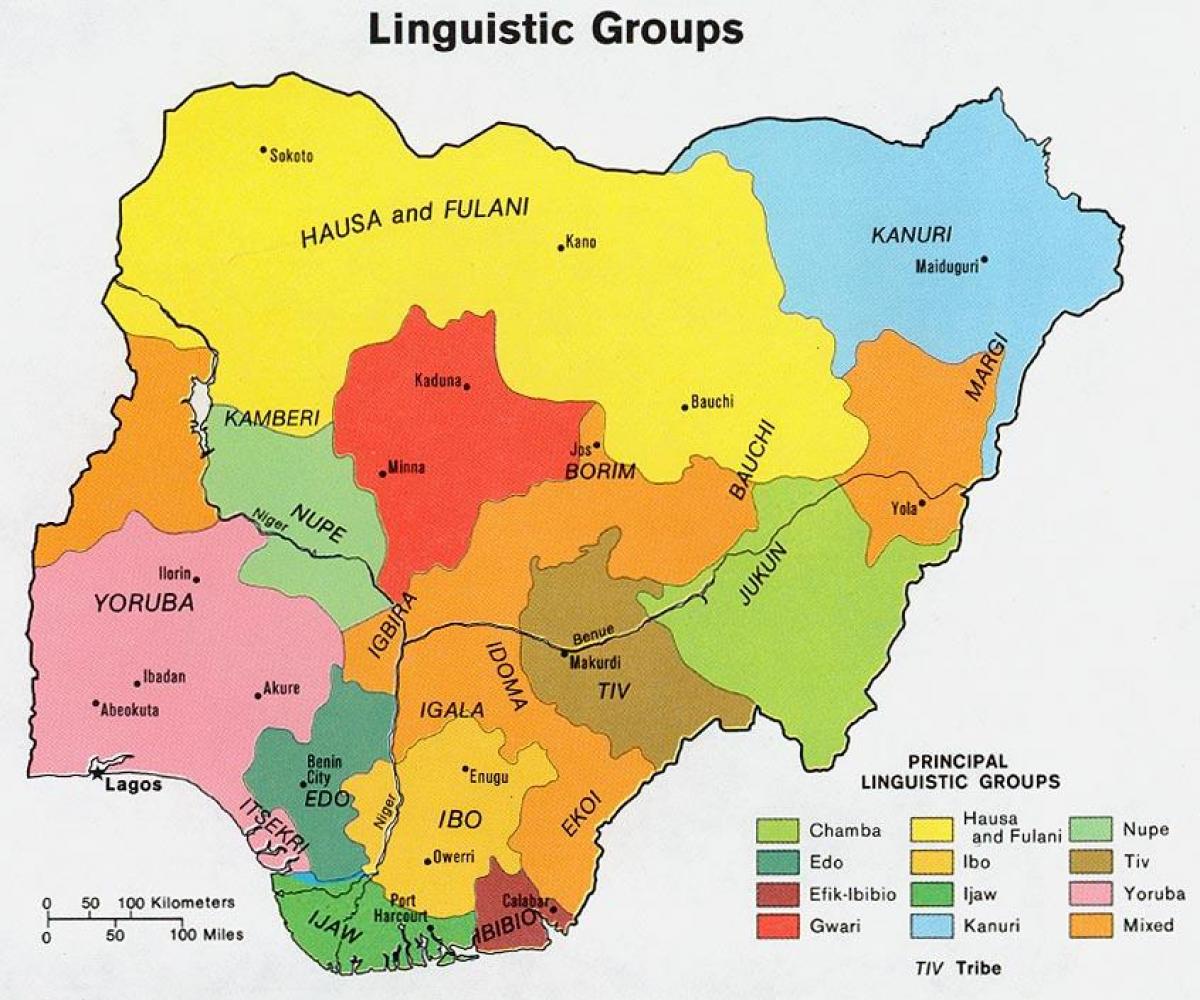
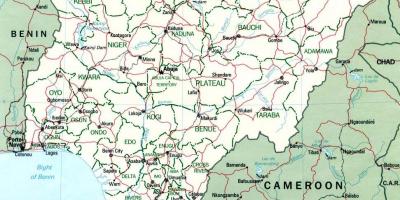
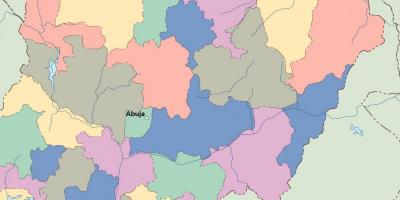
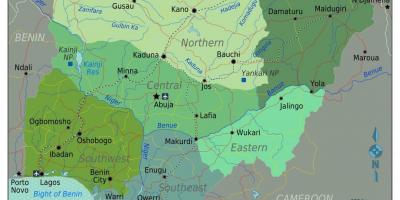
Nigeria, often referred to as the 'Giant of Africa,' is renowned for its rich tapestry of ethnic diversity. A map of Nigeria showing ethnic groups illustrates the intricate mosaic that comprises over 250 distinct ethnic groups, each with its own unique culture, language, and traditions. Understanding this map is crucial, as it not only highlights the geographical distribution of these groups but also emphasizes the historical, social, and political dynamics that shape Nigeria today.
The significance of the map extends beyond mere geography. It provides insights into Nigeria's colonial past, where arbitrary borders were drawn without consideration for ethnic affiliations. This historical context is vital when analyzing the current socio-political landscape of Nigeria, where ethnic identities play a significant role in governance and conflict resolution. For instance, the Hausa-Fulani, Yoruba, and Igbo are the three largest ethnic groups, each dominating specific regions of the country, influencing local politics, economy, and culture.
Geographically, the map showcases how Nigeria's natural features, such as rivers, mountains, and climate, have influenced the settlement patterns of various ethnic groups. The northern region, characterized by its arid climate, is predominantly inhabited by the Hausa-Fulani, while the lush, fertile south is home to the Yoruba and Igbo. This geographical significance is crucial for understanding not only where these groups live but also their agricultural practices and economic activities, which are often tailored to their environmental conditions.
Practical uses of this map are abundant. It serves as an essential tool for researchers, educators, and policymakers aiming to foster cultural understanding and unity in a nation marked by ethnic diversity. Businesses can also benefit from this map by identifying potential markets based on the cultural preferences of different ethnic groups. Moreover, it aids in conflict resolution efforts, as recognizing and respecting ethnic boundaries can contribute to peaceful coexistence and collaboration among Nigeria's diverse communities.
In conclusion, the map of Nigeria showing ethnic groups is a vital resource for anyone interested in understanding the complex social fabric of the nation. It not only reveals the geographical distribution of diverse cultures but also highlights the historical and contemporary issues that arise from this diversity. By exploring this map, one gains a deeper appreciation for Nigeria's rich heritage and the importance of fostering unity amid diversity. Further exploration of Nigerian geography will unveil even more layers of this fascinating country.
In summary, the map of Nigeria demonstrating ethnic groups offers invaluable insights into the nation's cultural diversity and historical context. Delve deeper into Nigeria's geography to uncover the stories and cultures that shape its identity.
-
Nigeria is home to over 250 ethnic groups, making it one of the most culturally diverse countries in the world.
-
The three largest ethnic groups in Nigeria are the Hausa-Fulani, Yoruba, and Igbo, collectively accounting for more than half of the population.
-
The Hausa people primarily reside in the northern region of Nigeria, where they are known for their trade and agricultural practices.
-
The Yoruba ethnic group is mainly found in the southwestern part of Nigeria, known for their rich traditions, festivals, and art.
-
The Igbo people predominantly inhabit the southeastern region and are recognized for their entrepreneurial spirit and vibrant cultural practices.
-
Nigeria's ethnic diversity often plays a crucial role in its political landscape, with ethnic affiliations influencing party politics and elections.
-
The map of Nigeria reflecting ethnic groups also illustrates the historical impact of colonialism, which disregarded traditional boundaries.
-
Lagos, Nigeria's largest city, is known for its melting pot of cultures, showcasing the country's ethnic diversity in urban settings.
-
Nigeria's official language is English, but over 500 indigenous languages are spoken across different ethnic groups, enriching its cultural landscape.
-
Cultural festivals, such as the Osun-Osogbo and the Durbar Festival, highlight the traditions of various Nigerian ethnic groups, attracting both local and international tourists.