Explore the Detailed Map of Nigeria Showing All the States
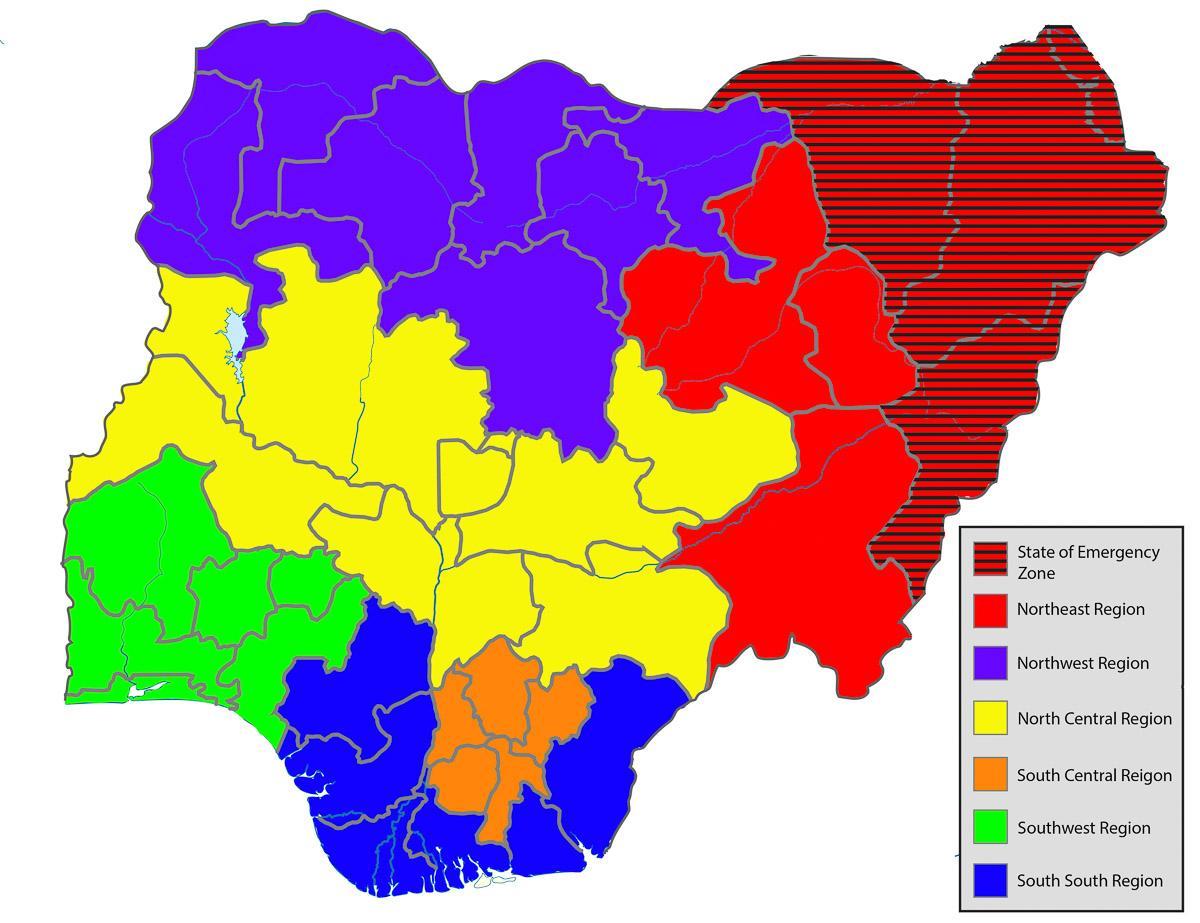
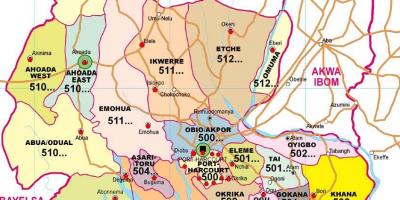
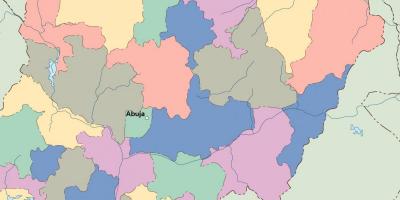
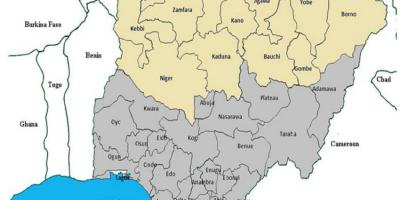
Nigeria is a vibrant country located in West Africa, known for its diverse cultures, rich history, and significant geographical features. A detailed map of Nigeria showing all the states provides essential information on the country's administrative divisions. With 36 states and one Federal Capital Territory, this map not only illustrates the geographic boundaries but also highlights key cities, rivers, and other notable landmarks. Understanding Nigeria's geography is crucial for recognizing its regional dynamics, cultural diversity, and economic potentials.
The map of Nigeria serves as a vital tool for various practical applications. For travelers, it offers guidance on the best routes to explore different regions, from the bustling streets of Lagos in the southwest to the serene landscapes of Enugu in the southeast. For educators and students, it aids in teaching geography, history, and social studies by providing a visual representation of the nation's structure. Moreover, businesses can utilize this map for market analysis and strategic planning, identifying opportunities in different states based on geographical and demographic data.
Historically, Nigeria's states were formed to accommodate the country's diverse ethnic groups and cultures. Each state has its unique identity, language, and customs, contributing to the rich tapestry of Nigerian society. The map not only reflects these boundaries but also serves as a reminder of the historical events that shaped the nation's current political landscape. From colonial rule to independence and the subsequent establishment of states, understanding these changes is essential for grasping Nigeria's contemporary issues.
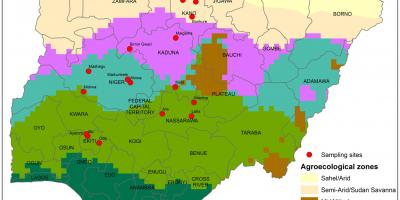
Geographically, Nigeria is characterized by a variety of landscapes, including savannas, forests, and coastal areas, each influencing the lifestyle and economy of the states. For instance, the northern states are predominantly arid, while the southern states enjoy a more tropical climate. This geographical diversity impacts agriculture, trade, and even cultural practices across the states. The map provides insights into these variations, helping individuals understand how geography affects the daily lives of Nigerians.
In addition to its educational and practical uses, the map of Nigeria is a gateway to exploring the country's potential for tourism and investment. Regions rich in natural resources, such as oil in the Niger Delta or tourism in places like Jos, are highlighted on the map. Investors can identify promising areas for development, while tourists can plan their itineraries to experience Nigeria's cultural and natural attractions. Overall, the map serves as a comprehensive resource for anyone looking to understand Nigeria's states and their significance better.
In conclusion, the map of Nigeria showcasing all the states is an invaluable resource for understanding the country's geography, history, and cultural diversity. Whether you are a student, a traveler, or a businessperson, this map provides essential insights and encourages exploration of Nigeria's rich heritage.
The map of Nigeria showing all the states is not just a geographical tool; it is a gateway to understanding the country's complexity. Explore it further to uncover the stories and cultures that make Nigeria unique.
-
Nigeria is the most populous country in Africa, with over 200 million people.
-
The country is divided into six geopolitical zones: North Central, North East, North West, South East, South South, and South West.
-
Lagos, the largest city in Nigeria, was once the capital until it was moved to Abuja in 1991.
-
Nigeria has 36 states and one Federal Capital Territory, which is Abuja.
-
The Niger River, which is the longest river in Nigeria, flows through several states and is vital for agriculture and transportation.
-
Nigeria is home to over 250 ethnic groups, with the three largest being the Hausa, Yoruba, and Igbo.
-
The country has more than 500 languages spoken, making it one of the most linguistically diverse nations in the world.
-
Nigeria's economy is one of the largest in Africa, driven primarily by oil and agriculture.
-
The country is known for its rich cultural heritage, including music genres like Afrobeats and traditional festivals.
-
Nigeria's landscape includes diverse ecosystems, from the mangroves of the coastal regions to the savannahs of the north.