Explore the Comprehensive Map of Nigeria Showing Road Network
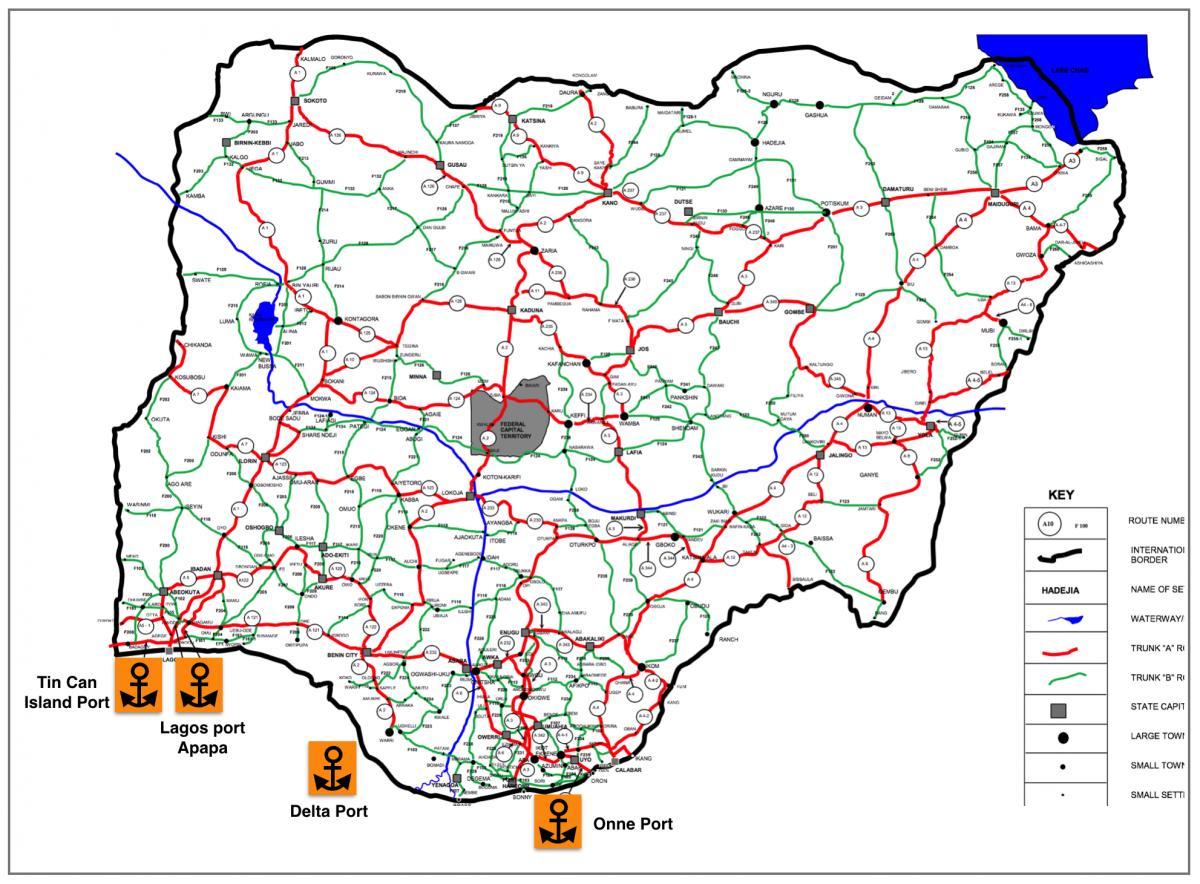
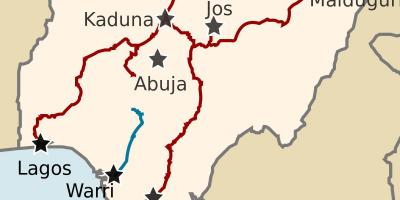
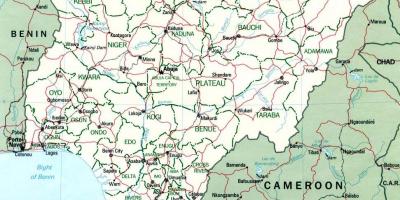
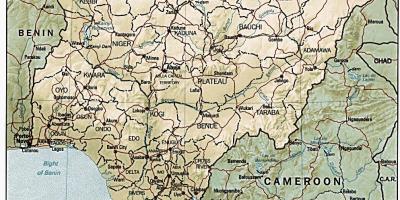
A map of Nigeria showing the road network is a vital tool for understanding the country's infrastructure and connectivity. This map illustrates the extensive web of highways, state roads, and rural paths that facilitate movement across Nigeria's diverse terrain. The road network plays a critical role in economic development, as it connects urban centers to rural communities, allowing for the efficient transportation of goods and services. Understanding this network is essential for anyone interested in the economic dynamics of Nigeria, as well as for travelers and logistics companies planning routes across the country.
The significance of the road network in Nigeria cannot be overstated. It serves as the backbone of the nation’s transport system, enabling access to markets, schools, and healthcare facilities. Major highways, such as the Lagos-Ibadan Expressway and the Abuja-Kaduna Road, are crucial for intercity travel and trade. In rural areas, smaller roads link farmers to markets, enabling them to sell their produce and contribute to local economies. The map highlights these connections, showing how they support livelihoods and promote regional development.
Historically, the development of Nigeria's road network began during the colonial era, when the British established foundational routes to facilitate resource extraction and administrative control. Post-independence, the government has continued to invest in infrastructure, though challenges remain due to funding and maintenance issues. The evolution of the road network reflects Nigeria's growth and the ongoing need for modernization to keep pace with its expanding population and economy. The map also serves as a reminder of the historical context in which these roads were built, illustrating the link between infrastructure and national progress.
Geographically, Nigeria's road network is diverse, stretching across various landscapes, from the coastal regions of Lagos to the arid north. The diversity of terrain presents unique challenges for road construction and maintenance. Understanding the geographical context of the road network is essential for planning purposes, particularly in light of the country's climate and environmental factors. This knowledge aids in anticipating potential disruptions, such as flooding or erosion, which can affect road conditions.
Practical uses of the road network map extend beyond logistics and travel. Urban planners and policymakers can utilize this map to identify areas in need of infrastructure improvements or expansion. It also serves educational purposes, helping students and researchers understand the relationship between geography and economic activity in Nigeria. Furthermore, the map can assist in disaster response planning by identifying critical routes for emergency services and aid delivery in times of crisis.
In conclusion, a map of Nigeria showing the road network is more than just a navigational tool; it is a representation of the country's economic, historical, and geographical narrative. Whether for personal travel, business logistics, or academic research, this map provides invaluable insights into the complexities of Nigeria's infrastructure. Exploring Nigeria's road network opens up a deeper understanding of the nation's dynamics and the importance of connectivity in fostering growth and development.
This map of Nigeria's road network is an essential resource for anyone interested in the country's geography and infrastructure. We encourage you to delve deeper into Nigeria's rich landscape and the stories behind its roads.
-
Nigeria has over 195,000 kilometers of roads, making it one of the most extensive road networks in Africa.
-
The Lagos-Ibadan Expressway is Nigeria's busiest highway, connecting two major economic hubs: Lagos and Ibadan.
-
Nigeria's road network is critical for transporting over 90% of its goods, emphasizing the reliance on road transport for trade.
-
The Federal Road Safety Corps was established to improve road safety and reduce accidents on Nigerian roads.
-
In the 1970s, the Nigerian government initiated a road expansion program to enhance connectivity in rural areas and urban centers.
-
Many rural communities in Nigeria rely on unpaved roads, which can become impassable during the rainy season, affecting access to markets.
-
The Abuja-Kaduna Road is a vital corridor for trade, linking the capital city of Abuja to the northern region of Nigeria.
-
Road construction projects often face delays due to funding issues and corruption, impacting the overall development of the network.
-
Nigeria's diverse climate influences road maintenance, with heavy rains often causing significant damage to roads in various regions.
-
Investing in the road network is crucial for Nigeria's economic growth, as improved infrastructure can enhance efficiency and reduce transportation costs.