Explore the Detailed Map of Atlas Nigeria: Geography Unveiled
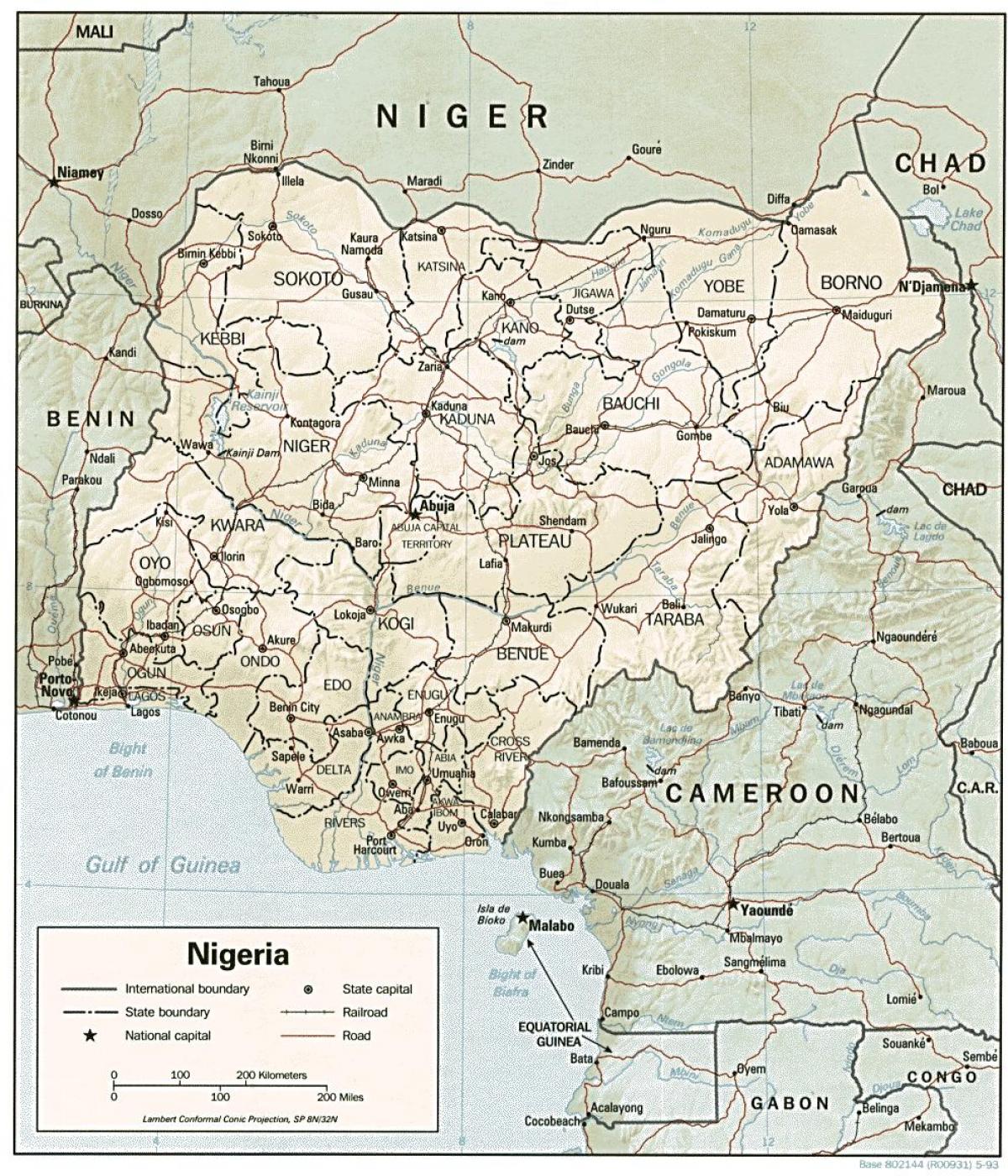
The Map of Atlas Nigeria is an invaluable resource that not only showcases the country's diverse geography but also serves as a vital tool for various applications. This detailed map highlights Nigeria's physical features such as mountains, rivers, and lakes, as well as its political boundaries, state capitals, and major cities. With a rich tapestry of landscapes, Nigeria boasts everything from the arid regions of the north to the lush rainforests of the south. Understanding the layout of Nigeria through this map is essential for anyone interested in the nation's geography, culture, or history.
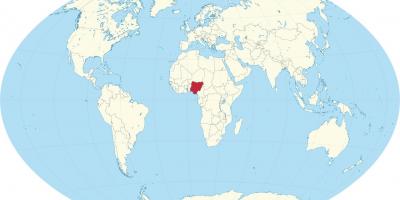
Geographically, Nigeria is positioned in West Africa, bordered by Benin, Niger, Chad, and Cameroon. The Map of Atlas Nigeria illustrates the country's significant geographical features, including the Niger River, which is one of the longest rivers in Africa. The river not only provides vital resources for millions of people but also plays a crucial role in transportation and trade. The map also highlights notable highlands, such as the Jos Plateau, which is known for its unique climate and rich mineral resources. This geographic diversity is crucial for understanding Nigeria's environmental and economic dynamics.
Historically, maps have always played a significant role in shaping nations. The Map of Atlas Nigeria reflects the colonial history that has influenced the current political boundaries. During British colonization, the areas that now make up Nigeria were amalgamated into a single territory, which is captured in the map's political outlines. Understanding this historical context is essential for researchers and students studying Nigeria's past, as the map serves as a visual representation of how colonialism has impacted the modern nation.
The geographic significance of the Map of Atlas Nigeria extends beyond its borders. Nigeria is often referred to as the “Giant of Africa” due to its large population and economic influence in the region. This map is not only useful for tourists looking to explore Nigeria’s attractions, but also for scholars and policymakers who need to understand the country's spatial relationships with neighboring nations. The map aids in planning trade routes, understanding migration patterns, and analyzing regional conflicts, making it an essential tool for various stakeholders.
In practical terms, the Map of Atlas Nigeria can be utilized by educators, travelers, and government officials alike. For educators, it serves as an effective teaching aid to explain Nigeria's geography and demographics. Travelers can use the map to plan their itineraries, ensuring they do not miss out on Nigeria's natural wonders, cultural sites, and bustling cities. Government officials can leverage the map for urban planning and resource distribution, ensuring that development efforts are targeted and effective. This multifaceted utility makes the Map of Atlas Nigeria a crucial element in understanding the country's geography.
In conclusion, the Map of Atlas Nigeria is more than just a visual representation; it is a gateway to understanding the complex geography, history, and cultural significance of Nigeria. By exploring this map, readers can gain insights into the nation's diverse landscapes and the factors that have shaped its development over time. Whether you are a traveler, student, or researcher, delving into this map offers a unique perspective on Nigeria's rich geographical tapestry.
Exploring the Map of Atlas Nigeria opens up a world of understanding about this vibrant nation. For anyone interested in Nigeria's geography, this map serves as an essential resource for further exploration and discovery.
-
Nigeria is the most populous country in Africa, with over 200 million people.
-
The Niger River is the longest river in Nigeria and the third longest in Africa, stretching about 4,180 kilometers.
-
Nigeria has over 250 ethnic groups, with the Hausa, Yoruba, and Igbo being the largest.
-
The country is rich in natural resources, including oil, which accounts for about 90% of its export revenues.
-
The Jos Plateau is known for its cool climate and is often referred to as the 'Home of Peace' due to its historical significance.
-
Nigeria's capital city is Abuja, which was established as the capital in 1991, replacing Lagos.
-
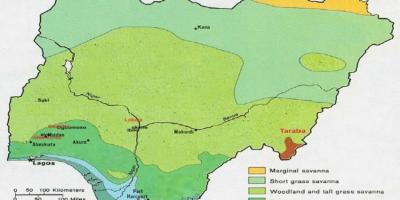
The country has three major ecological zones: savannah, rain forest, and mangrove.
-
Nigeria is home to the largest city in Africa, Lagos, which is a major financial center on the continent.
-
The Aso Rock, located in Abuja, is a prominent 400-meter tall rock formation and a national landmark.
-
Nigeria's cultural heritage includes the famous Nok culture, known for its terracotta sculptures dating back to 1000 BC.