Exploring the Map of Nigeria: A Deep Dive into Religion
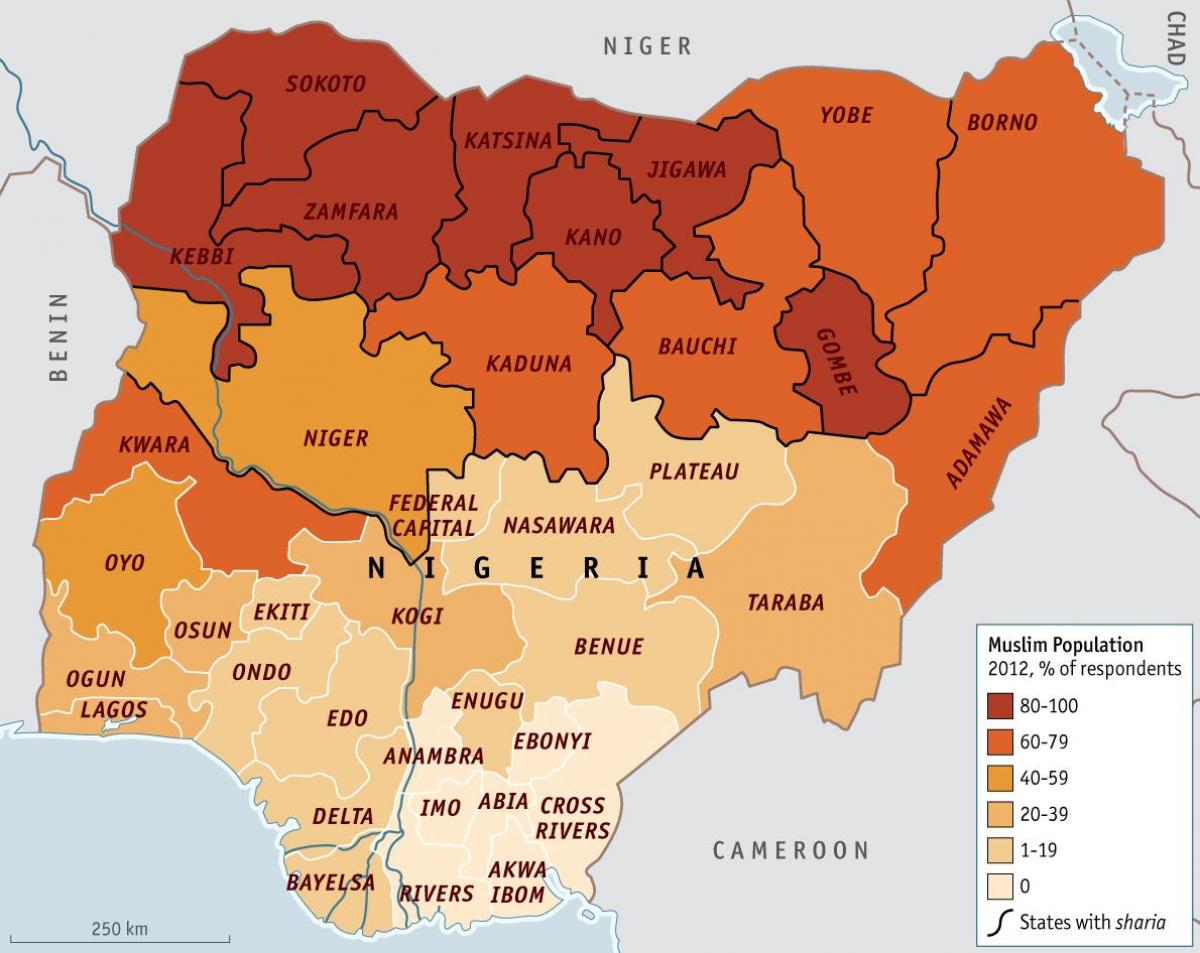
Nigeria is a country with a diverse cultural landscape, and its religious map reflects this richness. Approximately half of Nigeria's population identifies as Muslim, predominantly found in the northern regions, while the southern part is largely Christian. This distribution creates a unique religious tapestry that plays a significant role in the country's social, political, and economic dynamics. Understanding the religious map of Nigeria is essential for grasping the complexities of its society and how these dynamics influence various aspects of life, from governance to education.
The significance of the religious map of Nigeria extends beyond mere demographics. It reveals the historical influences that have shaped the nation over centuries. The arrival of Islam in the 11th century through traders and the subsequent spread of Christianity during the colonial era have left lasting impacts. This historical context is crucial for understanding current inter-religious relations and conflicts, particularly in regions where religious identities intersect. The map serves as a visual representation of these influences, highlighting areas of tension and coexistence.
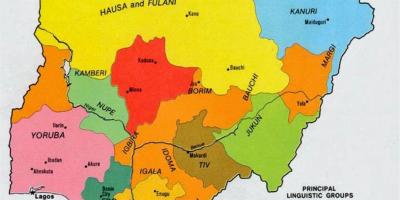
Geographically, the division between Muslim and Christian populations is not just a matter of faith; it also correlates with ethnic and cultural identities. The northern states of Nigeria, such as Kano and Sokoto, are predominantly Muslim and are home to several ethnic groups, including the Hausa and Fulani. Meanwhile, the southern states, like Lagos and Rivers, showcase a majority Christian population consisting of ethnic groups such as the Yoruba and Ibo. This geographical alignment illustrates how religion intertwines with ethnicity, further complicating Nigeria's national identity.
The map of Nigeria's religions is not only of academic interest; it has practical implications as well. For businesses and NGOs operating in Nigeria, understanding these religious demographics can aid in effective community engagement and marketing strategies. Companies must be sensitive to religious practices and holidays when planning events or launching products. Furthermore, policymakers can benefit from this knowledge by fostering interfaith dialogue aimed at promoting peace and resolving conflicts.
In conclusion, the map of Nigeria's religious landscape is a vital resource for anyone interested in understanding the country's complexities. By illustrating the distribution of religions, it highlights significant historical, cultural, and geographical factors that shape everyday life in Nigeria. As the country continues to evolve, the interplay between different religious groups will remain a crucial aspect of its identity and future development. Exploring this map not only enhances our understanding of Nigeria but also opens up avenues for deeper engagements with its people and culture.
In summary, the map of Nigeria focused on religion offers invaluable insights into the nation's diverse cultural and spiritual life. By delving into this topic, you can gain a better understanding of Nigeria's rich heritage and the factors that shape its society.
-
Nigeria is the most populous country in Africa, with over 200 million people, making it a diverse nation in terms of religion and culture.
-
The northern region of Nigeria has a significant Muslim population, with states like Kano and Sokoto being historical centers of Islamic learning.
-
Christianity is mainly practiced in the southern regions of Nigeria, particularly among the Yoruba, Ibo, and Efik ethnic groups.
-
In Nigeria, there are over 300 ethnic groups, and these groups often align with specific religious affiliations, influencing the country's social dynamics.
-
The introduction of Islam in Nigeria dates back to the 11th century through trade routes from North Africa, impacting cultural practices and governance.
-
Christian missionaries arrived in Nigeria in the 19th century, leading to various educational and health initiatives across the country.
-
The Nigerian Constitution guarantees freedom of religion, yet the country experiences religious tensions, particularly between Muslims and Christians.
-
The Boko Haram insurgency, which began in 2009, has highlighted the ongoing conflicts arising from religious and socio-economic disparities in northern Nigeria.
-
Nigeria has a vibrant tradition of interfaith dialogue, with various organizations working to promote peace and understanding between different religious communities.
-
The country recognizes several public holidays for both religions, including Eid al-Fitr for Muslims and Christmas for Christians, reflecting its religious diversity.