Exploring the Map of Nigeria's Oil Reserves and Production Regions
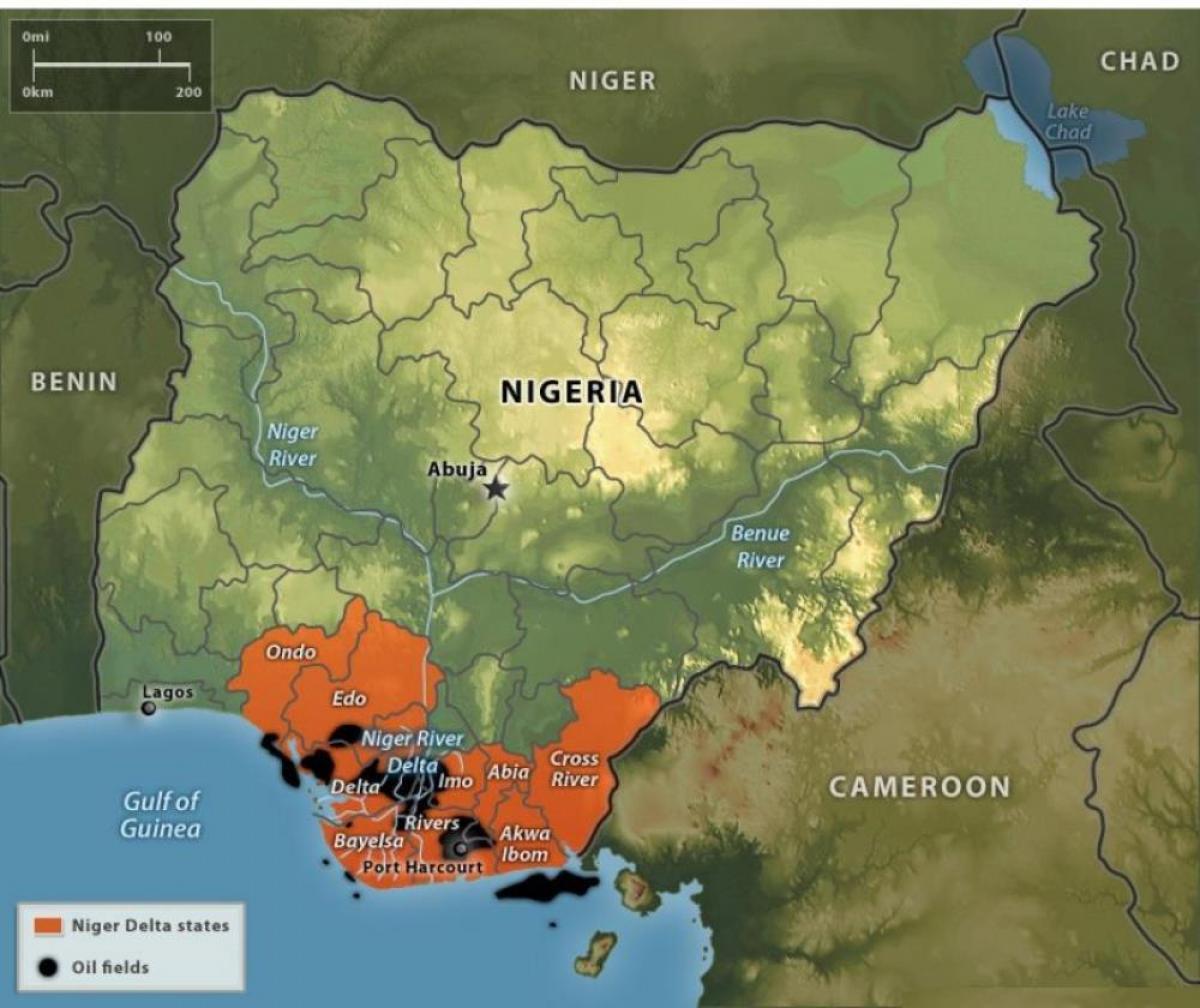
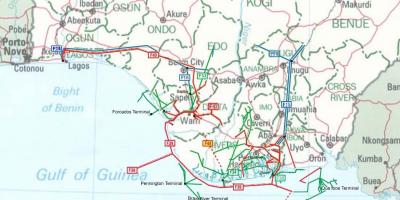
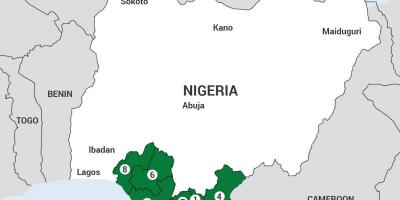
Nigeria is known as one of the largest oil producers in Africa, and understanding its oil map is crucial for grasping the country's economic landscape. The map of Nigeria's oil reserves highlights key production areas, pipelines, and refineries, providing a visual representation of the country's oil economy. The Niger Delta, which includes states like Rivers, Delta, and Bayelsa, is the heart of Nigeria's oil production, accounting for a significant portion of the nation’s output. This region is rich in oil fields and has a complex network of pipelines that transport crude oil to refineries and export terminals.
The importance of this map extends beyond just geography; it plays a vital role in the political and economic spheres of Nigeria. Oil exports are a major source of revenue for the Nigerian government, making the oil map a critical tool for understanding the flow of resources and wealth in the country. The historical context of Nigeria's oil discovery began in the 1950s when oil was first found in commercial quantities. Since then, the oil industry has shaped Nigeria's development, leading to both economic growth and environmental challenges, particularly in the Niger Delta region.
Geographically, Nigeria's oil reserves are located primarily along the southern coast, where the geology is conducive to oil formation. The map illustrates the coastal and offshore drilling sites, showing how they relate to major cities and transportation routes. This geographic distribution is significant not only for its economic implications but also for environmental management, as oil spills and other ecological issues have plagued the region. Understanding these locations helps in assessing the impact of oil extraction on local communities and the environment.
Practically, the map of Nigeria's oil serves multiple purposes. For investors, it provides essential information on where to focus exploration efforts. Environmentalists can use it to identify areas most affected by oil drilling and spills. Additionally, policymakers rely on this map to make informed decisions regarding resource management and environmental protection. As Nigeria continues to navigate its oil economy, the map remains a valuable resource for stakeholders across various sectors.
In conclusion, the map of Nigeria's oil is more than just a representation of where oil is located; it encapsulates the intricate relationship between geography, economy, and the environment in Nigeria. By exploring this map, one gains insight into not only the oil industry but also the broader implications for the country's development and sustainability. Understanding the dynamics of Nigeria's oil landscape is essential for anyone interested in the future of this resource-rich nation.
The map of Nigeria's oil reserves is a gateway to understanding the country's economic and environmental landscape. Explore more about Nigeria's geography to appreciate its complexities and challenges.
-
Nigeria is the largest oil producer in Africa, contributing about 2.5 million barrels per day at its peak production.
-
The Niger Delta region holds approximately 90 percent of Nigeria's oil reserves, making it a critical area for oil extraction.
-
Nigeria's oil was first discovered in 1956 at Oloibiri in the Niger Delta, marking the beginning of its oil industry.
-
In 1971, Nigeria became a member of the Organization of the Petroleum Exporting Countries (OPEC), further integrating its oil market with global trends.
-
The oil sector accounts for about 90 percent of Nigeria's foreign exchange earnings, significantly influencing the national economy.
-
Nigeria has over 1,500 kilometers of pipelines connecting oil fields to refineries and export terminals, showcasing the extensive infrastructure in place.
-
Environmental degradation due to oil spills has severely impacted local communities, with estimates of over 7,000 spills occurring in the Niger Delta since the 1970s.
-
The government established the Nigerian National Petroleum Corporation (NNPC) in 1977 to oversee the oil and gas sector, centralizing control over resources.
-
Oil theft and illegal refining are rampant in Nigeria, leading to substantial economic losses and environmental damage.
-
The country's oil and gas sector employs over 1 million people, highlighting its importance not only for exports but also for job creation.