Explore the Diverse Agricultural Map of Nigeria for Insights
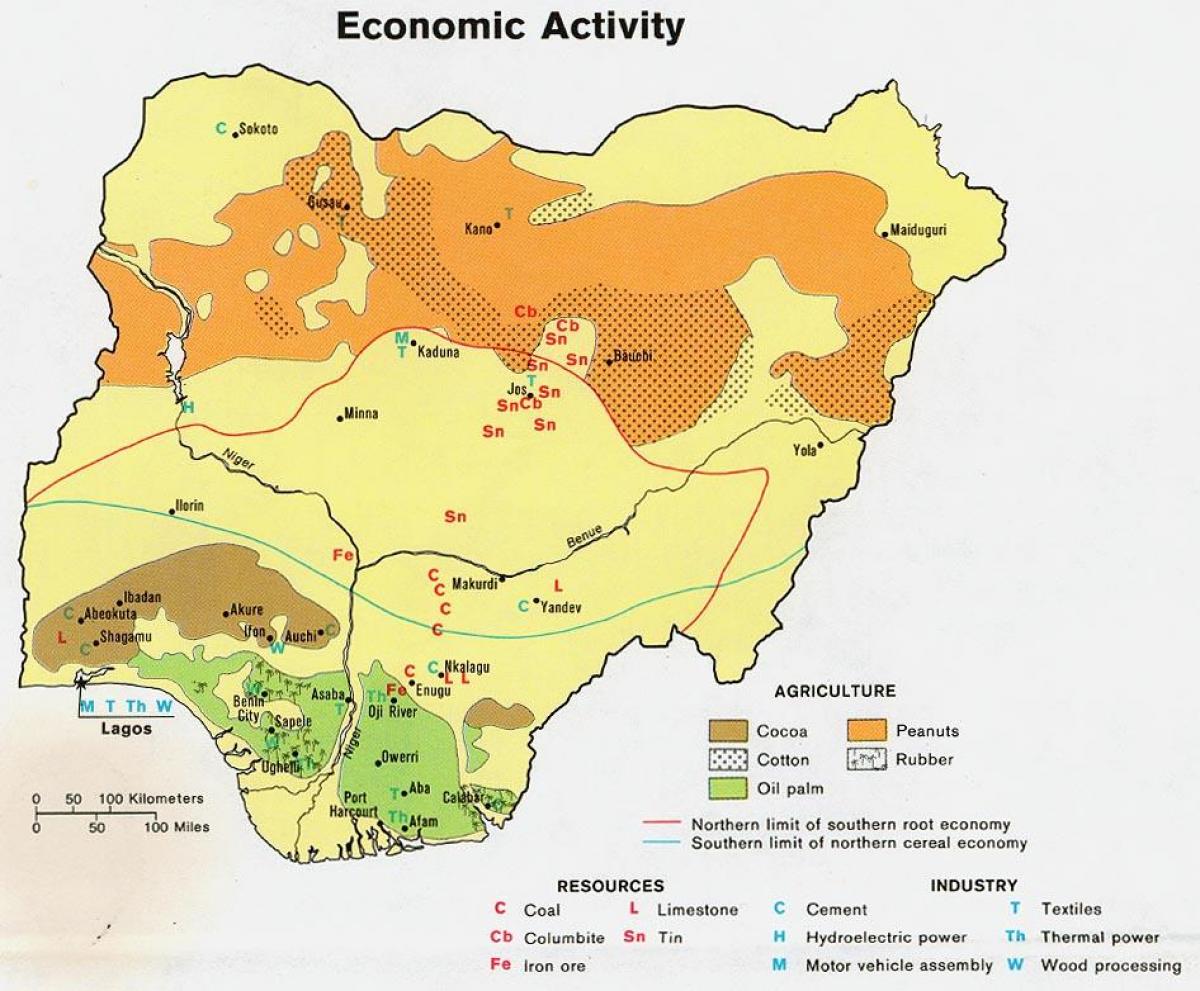
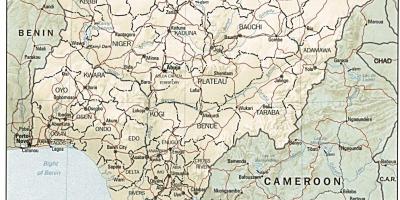
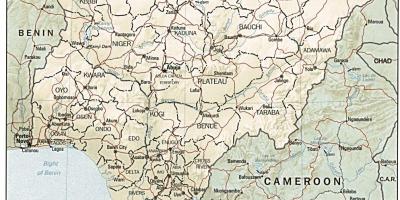
The agricultural map of Nigeria is a vital tool that displays the various farming regions and the types of crops produced across the country. This map highlights the rich agricultural diversity of Nigeria, showcasing important areas for cash crops such as cocoa, palm oil, and groundnuts, as well as staple foods like rice, maize, and cassava. Understanding this geographical layout is essential for farmers, investors, and policymakers as it helps them make informed decisions regarding cultivation, investment, and food security measures.
Historically, agriculture has been the backbone of Nigeria's economy, employing a significant percentage of the population, particularly in rural areas. The agricultural map not only reflects the current state of farming in Nigeria but also offers insights into how agricultural practices have evolved over time. For instance, the northern regions are predominantly known for their production of grains, while the southern regions thrive in cash crop cultivation due to the favorable climatic conditions. This historical context enriches the map, making it a valuable resource for understanding the agricultural landscape of Nigeria.
Geographically, Nigeria's agricultural zones are influenced by the country's varied climate, which ranges from the arid conditions in the north to the humid tropical climate in the south. The northern regions, such as Kano and Borno, are characterized by dry land farming, focusing on crops like millet and sorghum, while southern states like Oyo and Rivers enjoy a more diverse agricultural output thanks to their fertile land and lush environment. The agricultural map vividly illustrates these differences, helping to delineate areas suited for specific crops based on their climatic and soil conditions.
Practically, the agricultural map of Nigeria serves multiple purposes. For farmers, it is a guide to understanding which crops are suitable for their regions, thus enabling them to maximize yield and profitability. For investors, it provides crucial information on the agricultural potential of different areas, helping them identify lucrative opportunities. Additionally, policymakers can leverage the map to design targeted interventions aimed at enhancing food security, improving agricultural productivity, and promoting sustainable practices across the nation.
In summary, the agricultural map of Nigeria is more than just a simple chart; it is a comprehensive representation of the country's agricultural potential, historical trends, and geographical diversity. By examining this map, stakeholders can gain valuable insights that drive the future of Nigeria's agriculture, ensuring that it continues to be a pillar of the economy and a source of sustenance for millions of citizens. Understanding the agricultural landscape is essential for anyone looking to engage with Nigeria's vibrant farming sector and contribute to its growth.
The agricultural map of Nigeria is an essential resource for understanding the country's diverse farming landscape. Explore this map further to uncover the richness of Nigeria's agricultural potential and its significance for the economy.
-
Nigeria is the largest producer of cassava in the world, contributing about 20% of global production.
-
The country has over 84 million hectares of arable land, with only about 40% currently cultivated.
-
Nigeria's agricultural sector employs approximately 70% of the population, making it a crucial part of the economy.
-
The northern region produces most of Nigeria's grains, including millet, sorghum, and wheat, due to its climate.
-
Cocoa, primarily grown in the southwestern region, is one of Nigeria's top cash crops, ranking among the top producers globally.
-
Nigeria is the world's leading producer of yam, with a significant portion of its production originating from the middle-belt states.
-
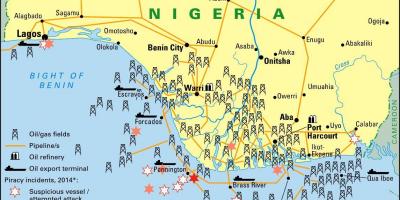
Palm oil production is concentrated in the Niger Delta region, which has favorable conditions for oil palm cultivation.
-
Rice is increasingly becoming a staple food in Nigeria, with major production taking place in the northern states and the Middle Belt region.
-
The agricultural map reveals that Nigeria has diverse ecosystems, from savannahs in the north to rainforests in the south, each supporting different types of agriculture.
-
The government of Nigeria is investing in agricultural technology and innovation to increase productivity and sustainability in farming practices.