Explore Nigeria: Map of the Six Geopolitical Zones Explained
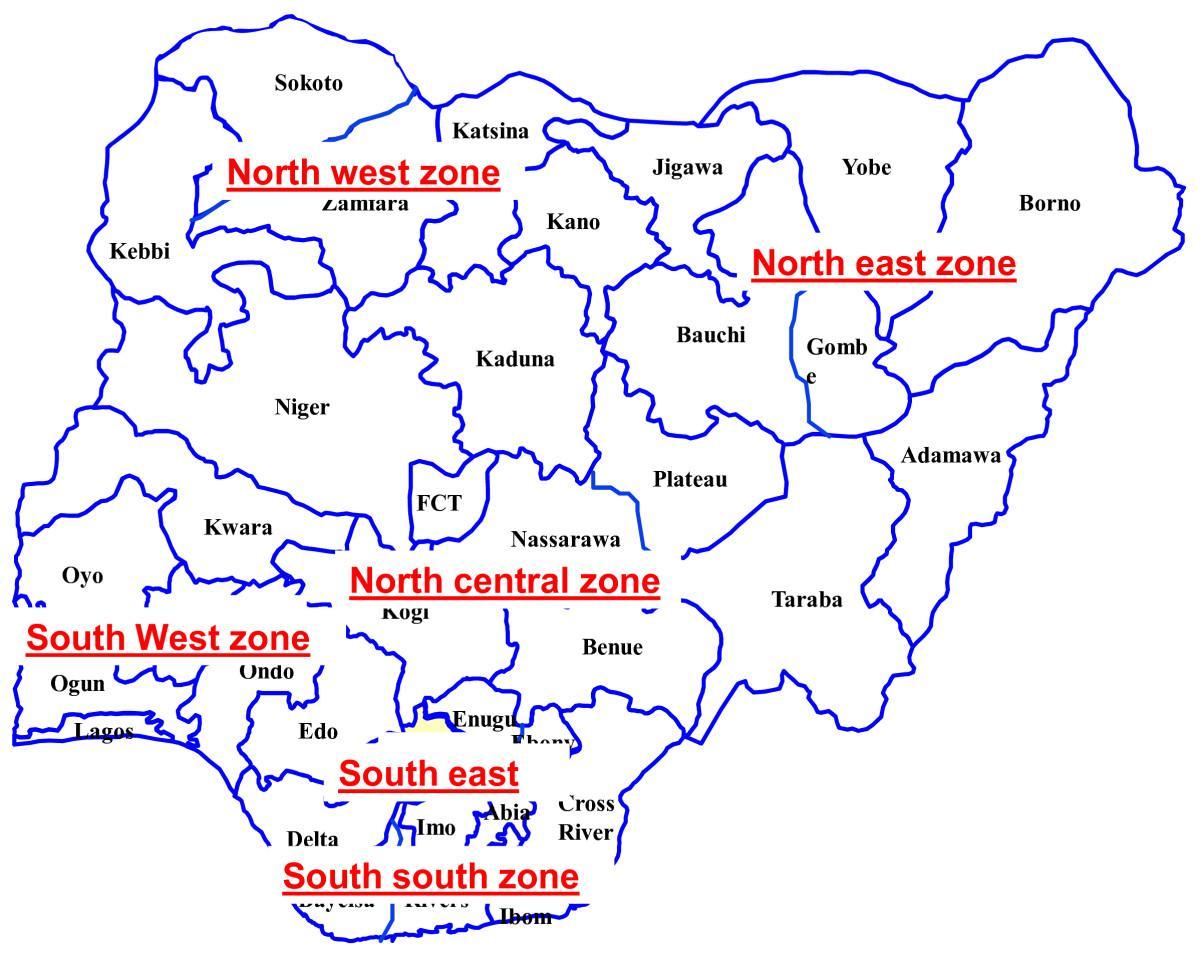
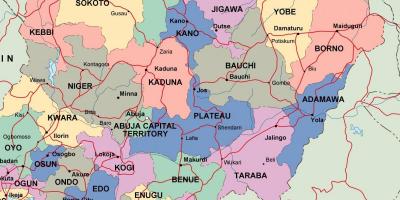
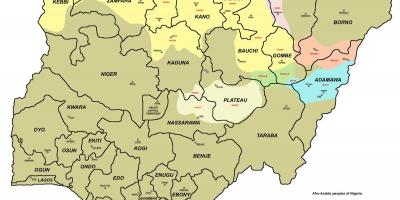
Nigeria is a country rich in diversity, culture, and geography, divided into six distinct geopolitical zones. These zones are North Central, North East, North West, South East, South South, and South West. Understanding this map is crucial for grasping the regional dynamics, cultural variations, and economic activities that define Nigeria. Each zone has its own unique characteristics that contribute to the overall identity of the nation.
The map of Nigeria illustrating these six geopolitical zones serves multiple purposes. It offers a visual representation of how the country is organized politically and culturally, allowing for better governance and resource allocation. This division was formally recognized in 1996 as a means to promote balanced development and national unity among the diverse ethnic groups that inhabit Nigeria. Knowing the geographical boundaries of these zones helps in understanding local governance, as well as in the planning of infrastructure and public services.
Historically, the geopolitical zones emerged from a need to address the complexities of Nigeria's ethnic diversity. Each zone is home to various ethnic groups, languages, and traditions, which can lead to both cultural richness and conflict. For instance, the North West is predominantly inhabited by the Hausa-Fulani people, while the South East is known for the Igbo community. The historical context of these divisions plays a significant role in contemporary politics and social interactions, making the map essential for anyone interested in Nigerian affairs.
Geographically, the zones are defined not just by their political boundaries but also by their unique landscapes. The North Central zone, often referred to as the Middle Belt, is characterized by its plateaus and valleys, making it agriculturally rich. Conversely, the coastal South South zone is known for its wetlands and oil production, which is a significant part of Nigeria’s economy. Understanding these geographic distinctions helps in appreciating the environmental challenges and economic opportunities that each zone faces.
Practically, the map of Nigeria's six geopolitical zones is beneficial for various stakeholders including policymakers, researchers, and travelers. For policymakers, it aids in making informed decisions about resource distribution and regional development programs. Researchers can use the map to study social dynamics, economic patterns, and environmental issues specific to each zone. Travelers can also benefit from understanding these zones as they explore the rich cultural experiences and natural beauty that Nigeria has to offer.
In conclusion, the map of Nigeria showcasing its six geopolitical zones is an invaluable tool for understanding the country's complex identity and regional dynamics. We encourage you to delve deeper into Nigeria's geography and explore what each zone has to offer.
-
Nigeria is the most populous country in Africa, with over 200 million people spread across its six geopolitical zones.
-
Each geopolitical zone in Nigeria has its own unique cultural practices, languages, and traditions, reflecting the country's ethnic diversity.
-
The North East zone is home to the famous Borno State, known for its historical sites and cultural significance in Nigeria's history.
-
Nigeria's South West zone includes Lagos, the country's largest city and a major financial hub in Africa, contributing significantly to the nation's GDP.
-
The South South zone is rich in oil reserves, making Nigeria one of the top oil producers in Africa and a member of OPEC.
-
The North Central zone, often called the Middle Belt, is known for its agricultural output, particularly in crops like cassava and yams.
-
Nigeria has over 250 ethnic groups, with the three largest being the Hausa, Yoruba, and Igbo, each predominantly located in specific geopolitical zones.
-
The geographical diversity of Nigeria ranges from coastal areas in the South to the arid regions in the North, influencing settlement patterns and economic activities.
-
Each geopolitical zone has its own regional development agencies, which work to promote growth and address local challenges.
-
The division into geopolitical zones was part of Nigeria's response to ethnic conflicts, aiming to foster national unity and equitable development.