Complete Map of Nigeria: Explore Regions, Cities, and Culture
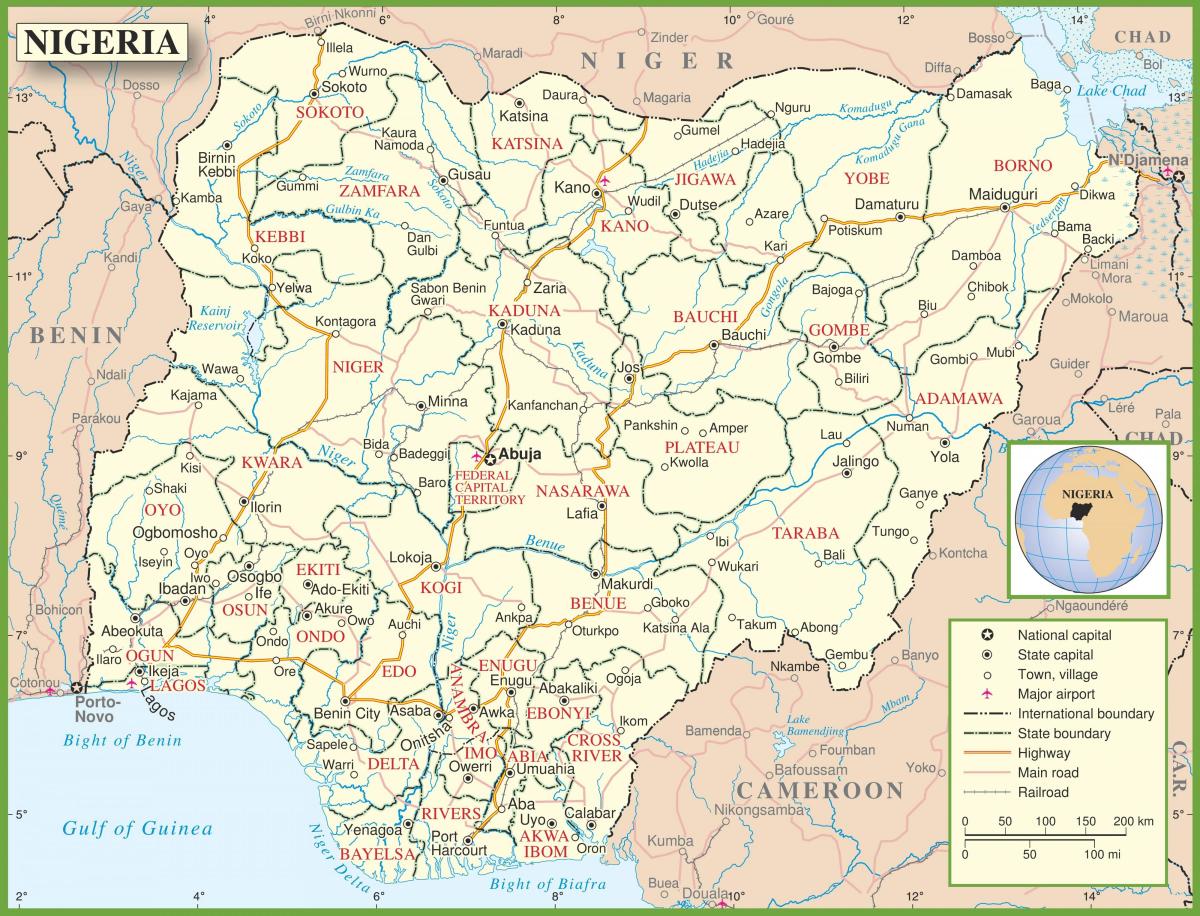
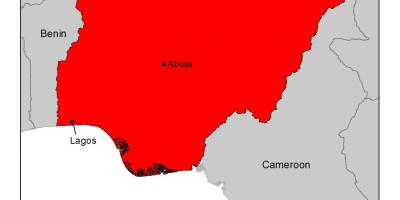
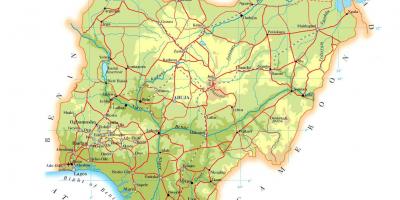
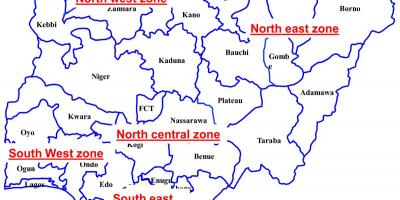
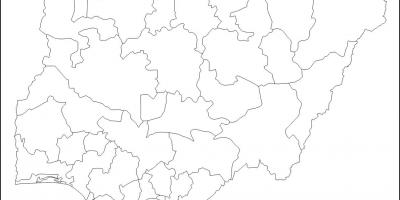
Nigeria, often referred to as the Giant of Africa, boasts a rich and diverse geography that is well represented in its complete map. This map not only delineates the country's 36 states and the Federal Capital Territory, but it also highlights major geographical features such as rivers, mountains, and lakes. Key cities such as Lagos, Abuja, and Port Harcourt are marked, providing a clear picture of urban centers that drive Nigeria's economy and culture. Understanding this map is crucial for anyone interested in the geopolitical landscape of Nigeria, which is known for its vibrant population and significant cultural heritage.
The historical context of Nigeria's map reveals much about the country's past. The borders of Nigeria were established during colonial times, incorporating various ethnic groups and cultures into a single nation. This diversity is reflected in the map, where you can see the distribution of major ethnic groups, such as the Hausa, Yoruba, and Igbo. Each region has its own unique identity, shaped by historical events, migration patterns, and colonial influences. Therefore, a complete map of Nigeria serves as a key resource for understanding the complexities of its social fabric and historical evolution.
Geographically, Nigeria is situated in West Africa, bordered by Benin, Niger, Chad, and Cameroon, with a coastline along the Atlantic Ocean. The map emphasizes Nigeria's varied topography, from the coastal plains in the south to the mountainous regions in the northeast. The Niger and Benue Rivers, two of the most significant waterways, are illustrated on the map, showcasing their importance for trade and transportation. These rivers contribute to the agriculture and fishing sectors, making them vital to the economy. By examining the map, one can appreciate how geographic features influence settlement patterns and economic activities in Nigeria.
Practical uses of a complete map of Nigeria extend beyond education and curiosity. For travelers, this map is an essential tool for planning trips, as it highlights tourist attractions, national parks, and cultural landmarks. For businesses, understanding the geographic layout can assist in making informed decisions regarding investments and market strategies. Additionally, researchers and educators can utilize the map to teach about Nigeria's demographics, environmental issues, and urban development. The map serves as a foundational resource that can enhance knowledge and facilitate a deeper understanding of Nigerian geography.
In conclusion, a complete map of Nigeria is much more than a simple depiction of the country's layout. It offers insights into historical contexts, geographic significance, and practical applications that are invaluable for anyone looking to understand Nigeria better. Whether you are a traveler, a student, or a business professional, this map provides essential information that can guide your exploration of Nigeria's diverse landscape and rich culture.
In summary, a complete map of Nigeria is an indispensable tool for understanding the country's geography and history. We encourage you to explore further and discover the many facets of Nigeria's vibrant regions and cultures.
-
Nigeria is the most populous country in Africa, home to over 200 million people.
-
The country is divided into six geopolitical zones: North Central, North East, North West, South East, South South, and South West.
-
Lagos, Nigeria's largest city, is one of the fastest-growing cities in the world, with a population exceeding 14 million.
-
The Niger River is the longest river in Nigeria, stretching over 4,180 kilometers and serving as a crucial waterway for trade.
-
Nigeria is rich in natural resources, including oil and gas, making it one of the largest oil producers in Africa.
-
The country has over 250 ethnic groups, with the three largest groups being the Hausa, Yoruba, and Igbo.
-
Nigeria is home to the largest film industry in Africa, known as Nollywood, producing thousands of films annually.
-
The Aso Rock, a prominent 400-meter monolith, is located in Abuja, the capital city of Nigeria.
-
The country celebrates numerous festivals, reflecting its diverse cultures, including the Osun-Osogbo Festival and the Durbar Festival.
-
Nigeria's biodiversity is significant, with numerous national parks, including Yankari National Park, which is home to various wildlife species.